Best Cold Doctor in Silchar

Dr. A. K Biswas
Community Medical Service
Consult for: Fever,chills,cold,fatigue,headache,diarrhea,minor Wonds
- 0 Views
- 0 Patients
10 Years Experience Overall
Dholai
Frequently Asked Questions
Yes, certain medications like blood pressure drugs, steroids, and anti-inflammatory medicines can cause fluid retention and swelling as a side effect.
Elevate your legs, stay active, wear compression stockings, reduce salt intake, and avoid sitting or standing for too long. drinking plenty of water can also help.
Seek medical help if swelling is sudden, painful, affects only one leg, or is accompanied by shortness of breath, chest pain, or skin discoloration.
Not always. temporary swelling due to standing for long periods or heat is usually harmless. however, persistent or one-sided swelling could indicate a more serious condition.
Leg swelling can be caused by fluid retention (edema), prolonged standing or sitting, injury, varicose veins, heart failure, kidney or liver problems, or deep vein thrombosis (dvt).
You should consult a doctor if the wound doesn’t improve, shows signs of infection, gets worse, or if you have a health condition like diabetes or poor circulation.
Keep the wound clean, follow proper dressing guidelines, eat a protein- and vitamin-rich diet, stay hydrated, control underlying conditions like diabetes, and avoid smoking.
Yes, high blood sugar levels can impair circulation and damage nerves, making it harder for wounds to heal and increasing the risk of infection.
If a wound doesn’t show signs of improvement within 1–2 weeks, stays red or swollen, leaks pus, or becomes more painful, it may be healing slowly or infected.
Slow wound healing can result from diabetes, poor blood circulation, infections, malnutrition, immune system disorders, or habits like smoking and alcohol use.
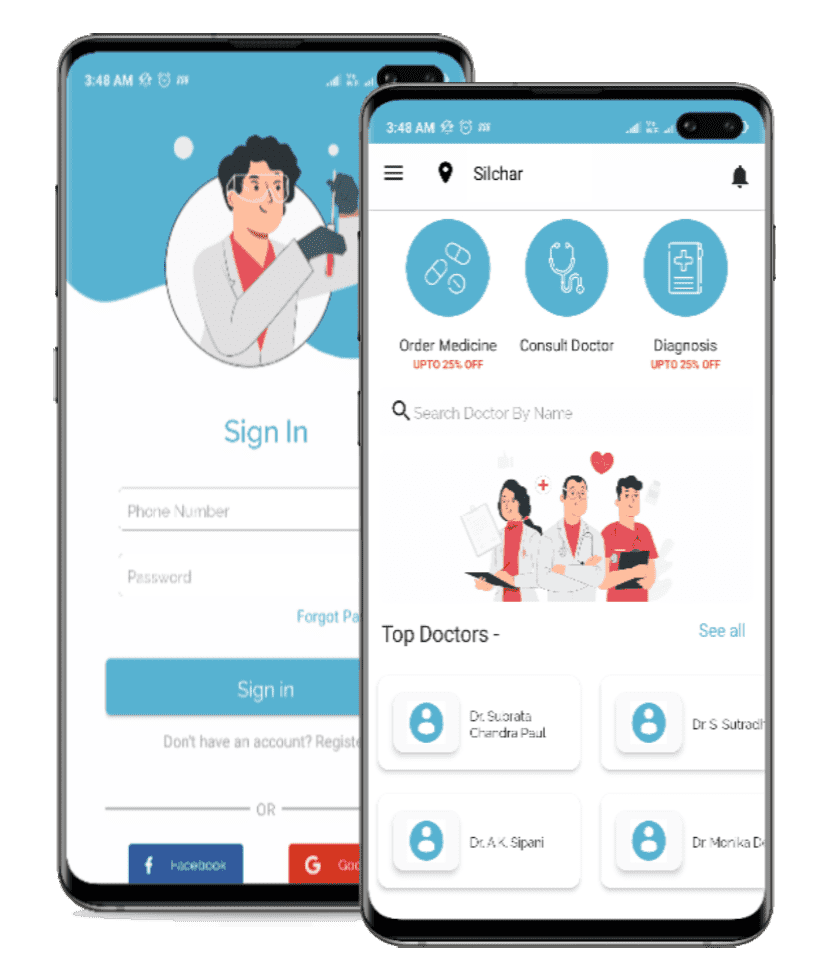
Download Quickobook App
Book appointment & health checkups;
Online lab test & consult doctor online
Get the link to download the app
+91
 Play Store