Frequently Asked Questions
Over-the-counter anti-diarrheal medicines can help in mild cases but should be avoided if there’s blood in the stool or if an infection is suspected. always consult a doctor first.
Yes, diarrhea can lead to dehydration, especially in children and older adults. symptoms include dry mouth, low urine output, dizziness, and fatigue.
Stay hydrated with water, oral rehydration solutions, or clear fluids. eat light, bland foods like rice, bananas, and toast, and avoid dairy, spicy food, and caffeine.
Seek medical help if diarrhea lasts more than 2 days, is very frequent, contains blood or mucus, or is accompanied by fever, severe abdominal pain, or signs of dehydration.
Diarrhea can be caused by infections (viral, bacterial, or parasitic), food intolerance, contaminated water, medications, stress, or digestive disorders like ibs or ibd.
Most minor wounds heal within a few days to a week, depending on the depth and location. keeping it clean and protected supports faster recovery.
Yes, applying an antiseptic cream helps prevent infection and promotes faster healing. however, avoid overuse, and consult a doctor if irritation develops.
See a doctor if the wound shows signs of infection (redness, swelling, pus, warmth), doesn't heal within a week, is caused by a dirty object, or if you haven’t had a tetanus shot in the last 5–10 years.
Clean the area with water, apply an antiseptic, and cover it with a clean bandage. keep the wound dry and change the dressing daily until it heals.
A minor wound typically includes small cuts, scrapes, or abrasions that don’t go deep into the skin and usually don’t require stitches or emergency care.
Rest, stay warm, drink fluids, and take fever-reducing medication like paracetamol or ibuprofen if fever is present. if chills persist, consult a doctor to rule out serious illness.
Seek medical attention if chills are persistent, severe, occur with high fever, confusion, chest pain, shortness of breath, or other concerning symptoms.
Yes, chills are commonly associated with infections like the flu, covid-19, urinary tract infections, or pneumonia. they often accompany a sudden rise in body temperature.
Chills can occur without fever due to cold environments, anxiety, low blood sugar, anemia, or certain medications. sometimes, they happen before a fever develops.
Chills are sudden, involuntary muscle contractions that cause shivering. they often occur with fever and are the body’s way of trying to raise its temperature.
Ask a Question to Dr. Dr. A. K Biswas
Recommended doctors View All
No records
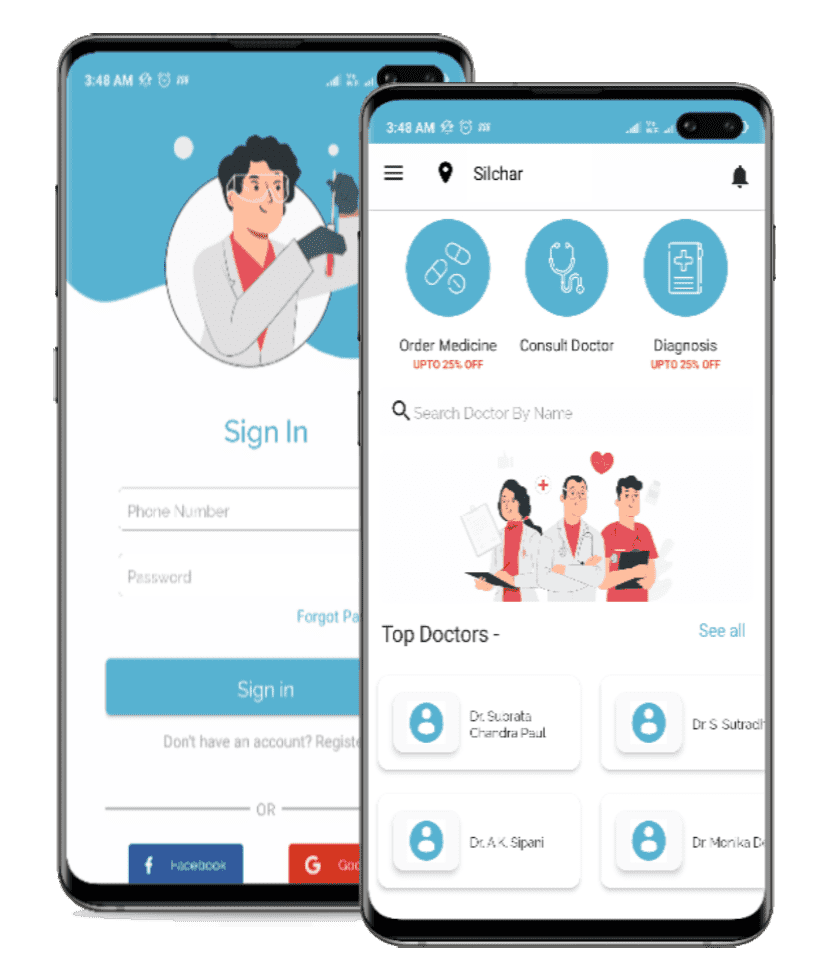
Download Quickobook App
Book appointment & health checkups;
Online lab test & consult doctor online
Get the link to download the app
+91
 Play Store