No Migraine Doctor in Silchar for now
Frequently Asked Questions
For mild pain, resting, staying hydrated, avoiding spicy or greasy foods, applying a warm compress, or using over-the-counter antacids or pain relievers may help—if symptoms persist, consult a doctor.
Doctors may use physical exams, blood tests, urine tests, ultrasound, x-rays, or ct scans to determine the cause depending on the symptoms and location of pain.
Not always. it can also be linked to urinary tract infections, reproductive organ problems (like ovarian cysts), or even heart conditions in some cases.
Seek medical help if the pain is severe, sudden, persistent, or comes with vomiting, fever, blood in stool, difficulty breathing, or if you are unable to pass stool or gas.
Abdominal pain can be caused by indigestion, gas, constipation, food poisoning, infections, ulcers, kidney stones, menstrual cramps, or more serious issues like appendicitis or gallbladder problems.
See a doctor if headaches are frequent, worsening, not relieved by over-the-counter medications, or if they’re accompanied by confusion, vision loss, or difficulty speaking.
Treatment includes pain relievers (like nsaids), triptans, anti-nausea medications, and preventive medicines. lifestyle changes and identifying triggers also help manage migraines.
Migraines can last from 4 to 72 hours if untreated. the duration and intensity can vary from person to person and episode to episode.
Common triggers include stress, lack of sleep, certain foods (like chocolate, cheese, caffeine), hormonal changes, strong smells, flashing lights, and weather changes.
A migraine is a neurological condition that causes intense, throbbing headaches often on one side of the head, and may come with nausea, sensitivity to light or sound, and visual disturbances (aura).
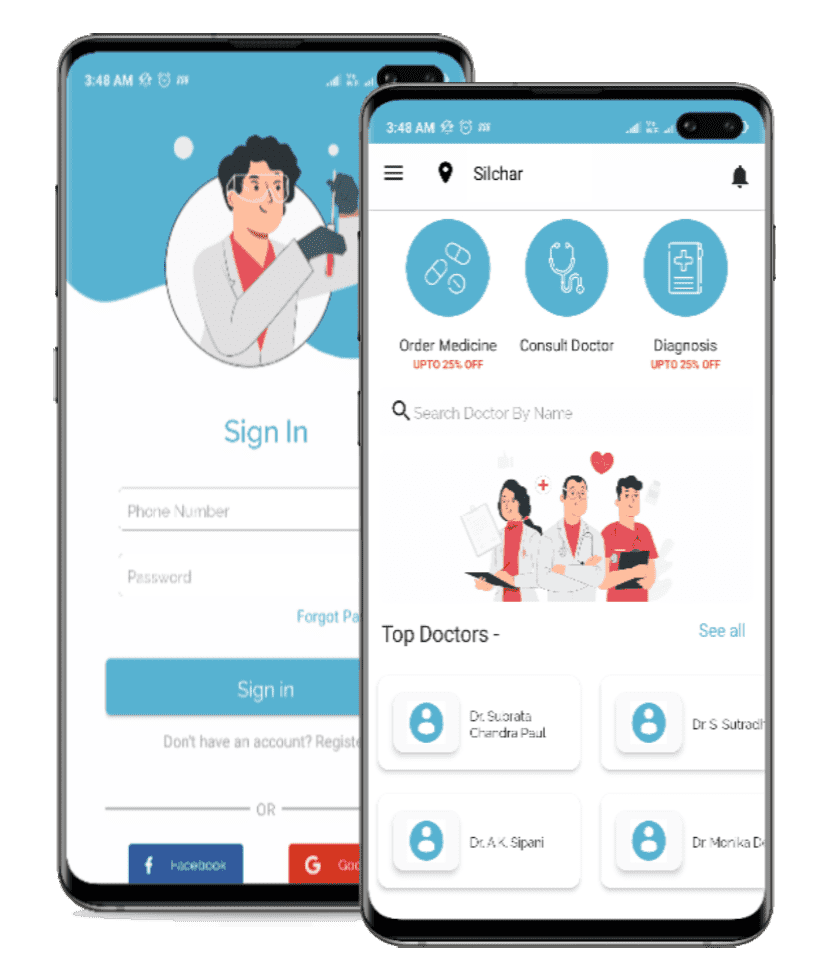
Download Quickobook App
Book appointment & health checkups;
Online lab test & consult doctor online
Get the link to download the app
+91
 Play Store