No Nutrient Deficiency Doctor in Guwahati for now
Frequently Asked Questions
Nutrient deficiencies can lead to health problems like anemia (iron deficiency), scurvy (vitamin c deficiency), weak bones (calcium or vitamin d deficiency), and poor immunity or delayed growth in children.
Most people can meet their nutritional needs through a well-balanced diet. however, some may require supplements due to medical conditions, pregnancy, age, or restricted diets.
Eating a balanced diet with a variety of fruits, vegetables, grains, proteins, and dairy usually provides all essential nutrients. deficiency symptoms like fatigue, weak immunity, or poor skin/hair health may signal imbalances.
Nutrients are divided into two main types: macronutrients: carbohydrates, proteins, and fats (needed in large amounts) micronutrients: vitamins and minerals (needed in small amounts for vital functions)/
Nutrients are substances in food that our body needs to grow, develop, and stay healthy. they include carbohydrates, proteins, fats, vitamins, minerals, and water—all essential for proper body function.
If appetite loss lasts more than a few days, is accompanied by weight loss, fatigue, or other symptoms, it's important to consult a doctor to rule out serious conditions.
Eat small, frequent meals, focus on nutrient-rich foods, add herbs and spices for flavor, stay active, and try to eat in a pleasant, stress-free environment.
Yes, conditions like depression, anxiety, and grief can significantly affect appetite, either reducing or increasing food intake.
Not always. temporary loss of appetite may occur due to stress, fatigue, or minor illness. but if it persists or leads to weight loss, it may indicate an underlying health problem.
A poor appetite can be caused by infections, chronic illnesses, stress, depression, medications, digestive issues, or hormonal imbalances. sometimes even a change in routine or aging can reduce hunger.
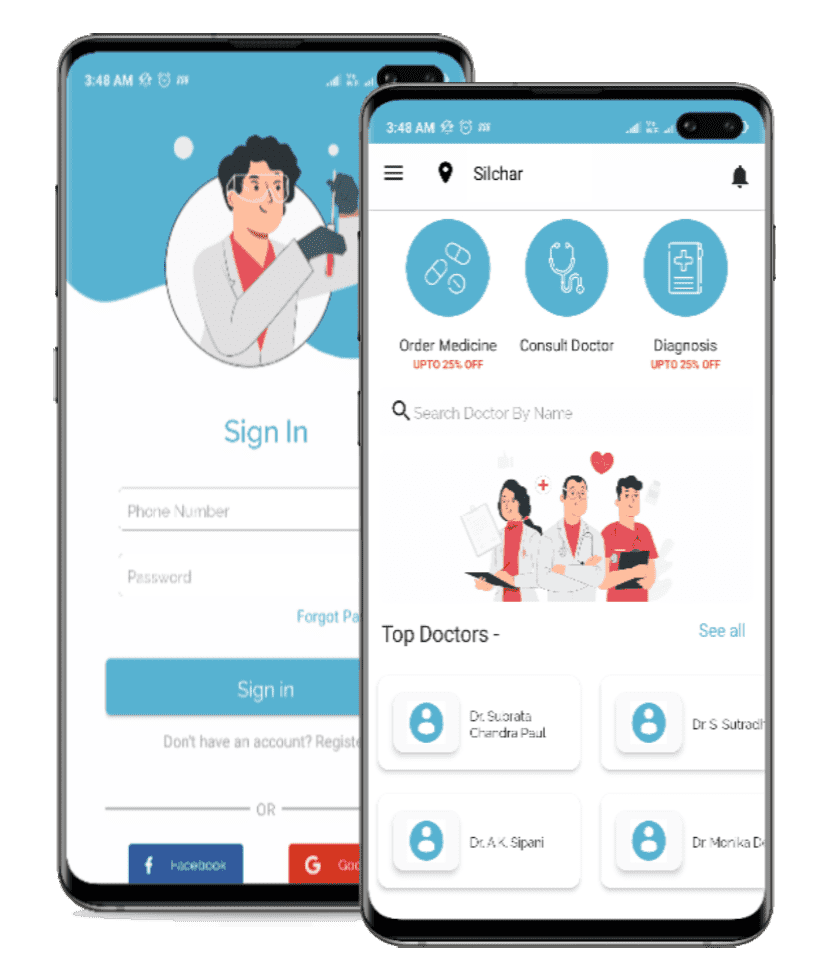
Download Quickobook App
Book appointment & health checkups;
Online lab test & consult doctor online
Get the link to download the app
+91
 Play Store