No Sinus Pain Doctor in Silchar for now
Frequently Asked Questions
If sinus pain lasts more than 10 days, worsens over time, comes with fever or swelling around the eyes, or keeps coming back, you should see a doctor.
Steam inhalation, warm compresses over the face, saline nasal sprays, staying hydrated, and using a humidifier can help relieve sinus pressure and pain.
Yes, allergies can inflame the sinuses, leading to congestion and pressure that result in sinus pain. managing allergies can help reduce flare-ups.
Sinus pain typically comes with facial pressure, nasal congestion, thick mucus, and sometimes a reduced sense of smell. unlike migraines, it often worsens when you bend forward or lie down.
Sinus pain is usually caused by inflammation or infection in the sinus cavities, often due to colds, allergies, or sinusitis. the pressure buildup leads to pain in the forehead, cheeks, or around the eyes.
Seek medical help if the nosebleed lasts more than 20 minutes, is very heavy, recurs frequently, or follows a head injury.
Avoid blowing your nose, picking it, strenuous activity, or bending over for a few hours. keep your nasal passages moist with saline sprays or a humidifier.
Sit upright, lean slightly forward, and pinch your nose just below the bridge for 10–15 minutes. avoid lying down or tilting your head back, which can cause blood to flow into the throat.
Most nosebleeds are harmless and stop on their own. however, frequent or heavy nosebleeds may signal underlying issues like hypertension, clotting disorders, or nasal growths and should be evaluated by a doctor.
Nosebleeds can be caused by dry air, nose picking, allergies, frequent sneezing, colds, nasal injuries, high blood pressure, or blood-thinning medications.
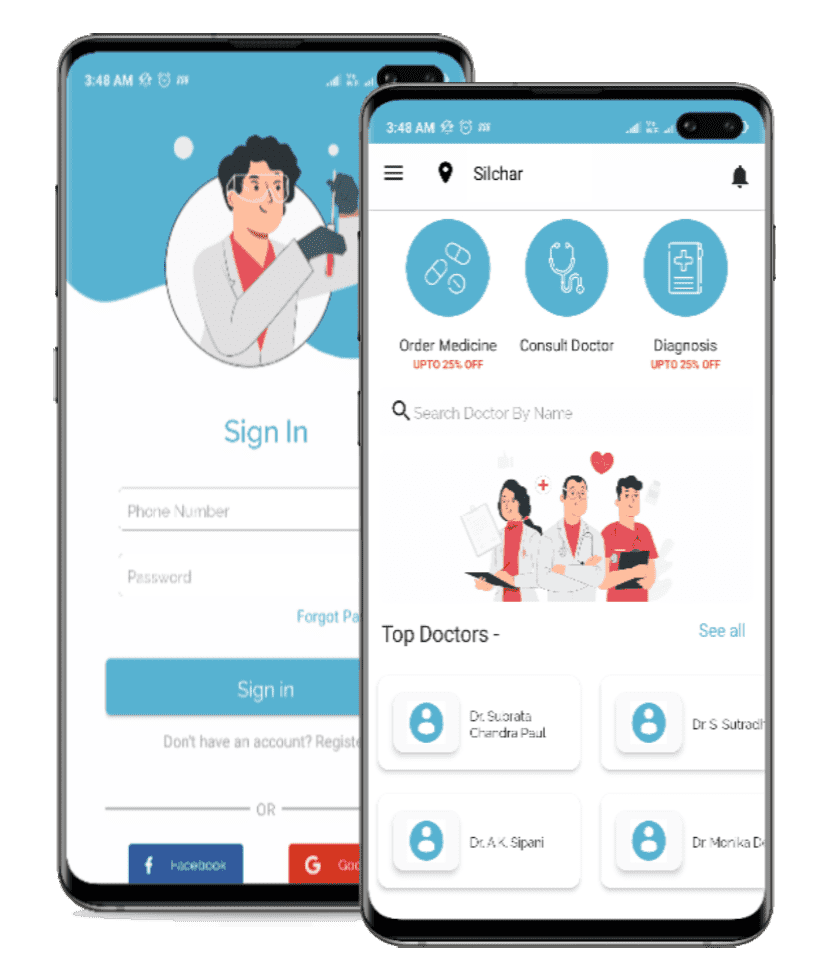
Download Quickobook App
Book appointment & health checkups;
Online lab test & consult doctor online
Get the link to download the app
+91
 Play Store