No Sleep Issues Doctor in Silchar for now
Frequently Asked Questions
Common triggers include loss, disappointment, stress, loneliness, relationship issues, or personal setbacks. hormonal changes or lack of sleep can also contribute.
If your anger leads to aggressive behavior, damages relationships, affects work, or causes guilt or regret, it may be a sign of poor anger management and worth addressing.
If sadness lasts more than two weeks, affects your appetite, sleep, or ability to function, or includes thoughts of self-harm, it’s important to seek professional help.
Yes, especially during puberty, menstruation, pregnancy, or menopause, hormonal fluctuations can disrupt mood and sleep patterns.
Maintain a consistent sleep schedule, avoid screens before bed, limit caffeine and alcohol, create a relaxing bedtime routine, and keep your bedroom dark and cool for better sleep.
If they persist, worsen, or interfere with daily life, it's important to consult a healthcare provider to rule out underlying psychological or medical conditions.
Deep breathing, walking away from the situation, physical exercise, mindfulness, and talking to a counselor can help manage anger in a healthy way.
They can be triggered by stress, hormonal imbalances, mental health disorders (like anxiety or depression), poor sleep hygiene, or certain medications.
Talking to someone you trust, engaging in physical activity, practicing mindfulness, journaling, and seeking professional counseling can all help manage and reduce sadness.
Yes, occasional sadness without a specific cause can be normal. however, if it persists or interferes with daily life, it may be a sign of underlying emotional or mental health issues.
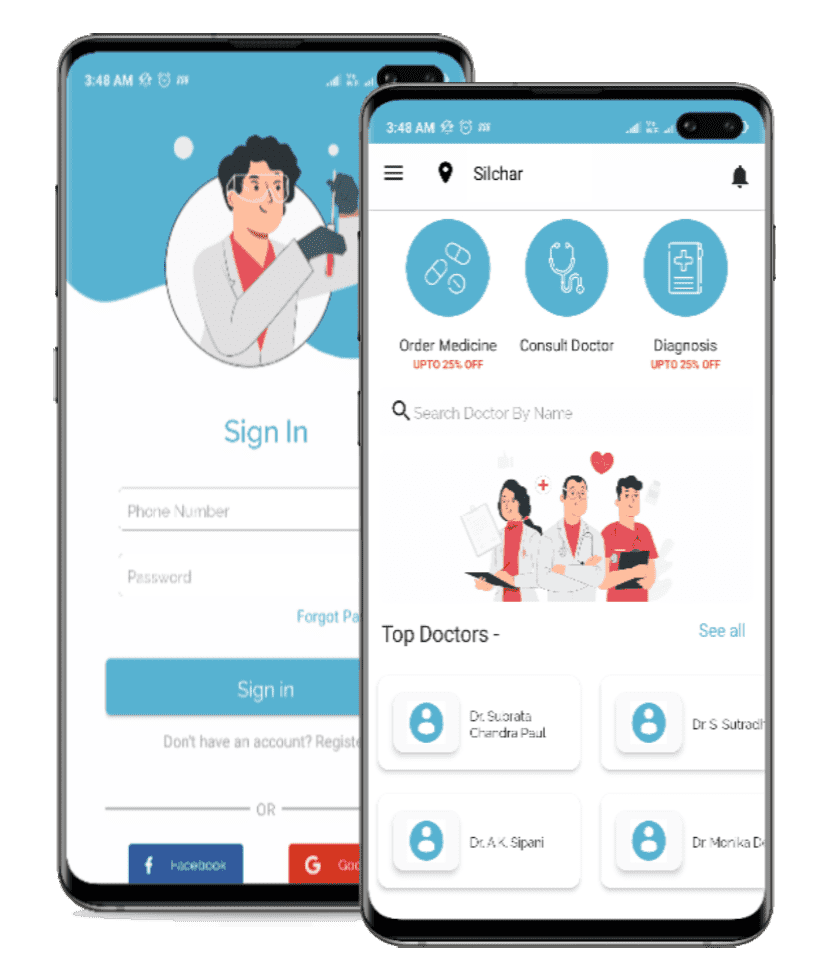
Download Quickobook App
Book appointment & health checkups;
Online lab test & consult doctor online
Get the link to download the app
+91
 Play Store