
Introduction
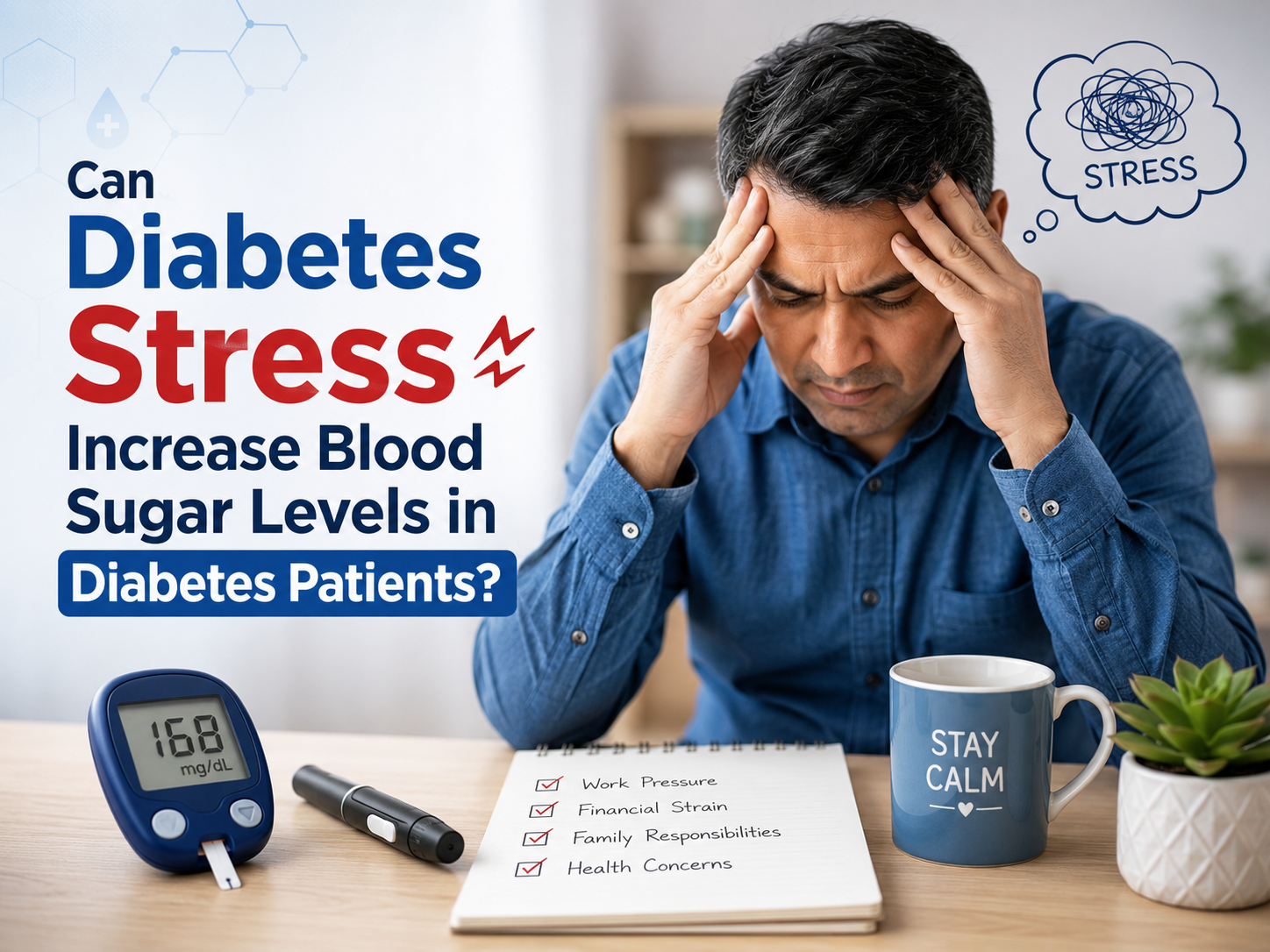
Living with diabetes can feel stressful at times. From checking sugar levels to planning meals and taking medicines on time, diabetes management requires constant attention. But did you know that diabetes stress can directly increase blood sugar levels? Stress does not only affect your mood and sleep. It can also make it harder for your body to control blood glucose levels.
Many diabetes patients notice sudden spikes in blood sugar during stressful situations like work pressure, family problems, financial worries, exams, illness, or lack of sleep. This happens because stress hormones change the way the body uses insulin.
Understanding the connection between stress and diabetes is important for better health. In this guide, you will learn how stress affects blood sugar, common symptoms, treatment options, lifestyle changes, prevention tips, and when to seek medical help.
What Is Diabetes Stress?
Diabetes stress refers to emotional, physical, or mental pressure that affects people living with diabetes. Stress can come from:
-
Work pressure
-
Family responsibilities
-
Financial problems
-
Chronic illness
-
Poor sleep
-
Anxiety or depression
-
Fear of diabetes complications
When stress becomes long-lasting, the body releases hormones such as cortisol and adrenaline. These hormones increase blood sugar levels to give the body extra energy for handling danger or pressure.
For diabetes patients, this process can make sugar control more difficult.
How Stress Increases Blood Sugar Levels
When the body feels stressed, it enters “fight or flight” mode. During this time, stress hormones are released into the bloodstream.
These hormones:
-
Increase glucose production in the liver
-
Reduce insulin sensitivity
-
Make it harder for cells to absorb glucose
As a result, blood sugar levels rise.
People with Type 2 diabetes are especially affected because their bodies already struggle to use insulin properly.
The Role of Stress Hormones in Diabetes
The two major stress hormones are:
Cortisol
Cortisol is called the stress hormone. It increases blood sugar by telling the liver to release more glucose.
Adrenaline
Adrenaline increases heart rate and energy levels. It also raises glucose levels quickly during stressful situations.
High stress over a long period can keep these hormones elevated, leading to consistently high blood sugar levels.
Types of Stress That Affect Diabetes
Emotional Stress
This includes:
-
Anxiety
-
Sadness
-
Anger
-
Relationship issues
-
Fear about health
Physical Stress
Physical stress can happen due to:
-
Fever
-
Injury
-
Surgery
-
Pain
-
Lack of sleep
Lifestyle Stress
Unhealthy habits caused by stress can also raise blood sugar:
-
Overeating
-
Skipping exercise
-
Smoking
-
Drinking alcohol
-
Missing medications
Symptoms of Stress-Related High Blood Sugar
Stress and high blood sugar often occur together. Common symptoms include:
-
Frequent urination
-
Increased thirst
-
Headaches
-
Tiredness
-
Blurred vision
-
Irritability
-
Difficulty concentrating
-
Increased hunger
-
Poor sleep
-
Fast heartbeat
If blood sugar remains high for a long time, complications may develop.
Can Stress Cause Diabetes?
Stress alone may not directly cause diabetes, but chronic stress can increase the risk of Type 2 diabetes.
Long-term stress may:
-
Increase unhealthy eating
-
Lead to weight gain
-
Reduce physical activity
-
Raise cortisol levels
-
Increase insulin resistance
These factors can increase diabetes risk over time.
Who Is More Likely to Experience Diabetes Stress?
Some people are more vulnerable to stress-related blood sugar spikes, including:
-
Elderly diabetes patients
-
People with uncontrolled diabetes
-
Individuals with anxiety or depression
-
Working professionals
-
Caregivers
-
Students
-
Women with gestational diabetes
How Doctors Diagnose Stress-Related Blood Sugar Changes
Doctors may recommend:
Blood Sugar Tests
-
Fasting blood sugar
-
Post-meal blood sugar
-
HbA1c test
Stress Assessment
Doctors may ask about:
-
Sleep quality
-
Mood changes
-
Emotional health
-
Daily stress levels
Lifestyle Evaluation
Diet, exercise, work pressure, and habits are also reviewed.
Treatment for Diabetes Stress
Treatment focuses on both blood sugar control and stress management.
Medicines
Doctors may adjust:
-
Insulin dosage
-
Diabetes tablets
-
Anxiety medications if needed
Never change medication without medical advice.
Stress Management Therapy
Counselling or therapy can help patients:
-
Manage anxiety
-
Handle emotional stress
-
Improve coping skills
Relaxation Techniques
Doctors often suggest:
-
Meditation
-
Deep breathing
-
Yoga
-
Mindfulness exercises
Lifestyle Changes to Control Diabetes Stress
Lifestyle habits play a major role in controlling stress and blood sugar.
Exercise Regularly
Physical activity:
-
Lowers stress hormones
-
Improves insulin sensitivity
-
Helps maintain healthy weight
Good options include:
-
Walking
-
Cycling
-
Yoga
-
Swimming
Aim for at least 30 minutes daily.
Eat a Healthy Diet
Choose foods that help maintain stable blood sugar:
-
Whole grains
-
Vegetables
-
Fruits
-
Lean protein
-
Nuts and seeds
Avoid:
-
Sugary drinks
-
Junk food
-
Excess fried food
Sleep Well
Poor sleep increases cortisol levels.
Adults should aim for:
-
7–8 hours of sleep daily
Stay Hydrated
Drinking enough water helps remove extra sugar through urine.
Avoid Smoking and Alcohol
Both can worsen stress and diabetes complications.
Best Stress Reduction Techniques for Diabetes Patients
Meditation
Meditation helps calm the mind and reduce cortisol levels.
Deep Breathing
Slow breathing reduces anxiety and improves relaxation.
Yoga
Yoga improves flexibility, reduces stress, and helps blood sugar control.
Talking to Loved Ones
Sharing feelings can reduce emotional burden.
Hobbies
Reading, music, gardening, or painting can lower stress naturally.
Foods That Help Reduce Stress and Blood Sugar
Some foods may support stress management:
-
Spinach
-
Almonds
-
Walnuts
-
Oats
-
Green tea
-
Yogurt
-
Fatty fish
-
Dark chocolate in moderation
These foods support brain health and stable energy levels.
Risks of Ignoring Stress in Diabetes
Untreated stress can lead to serious complications:
-
Poor diabetes control
-
High HbA1c levels
-
Heart disease
-
High blood pressure
-
Obesity
-
Sleep disorders
-
Depression
-
Kidney disease
-
Eye damage
Managing stress is an important part of diabetes care.
When to See a Doctor
Consult a doctor if you experience:
-
Constant high blood sugar
-
Severe anxiety
-
Depression symptoms
-
Poor sleep
-
Frequent fatigue
-
Panic attacks
-
Sudden mood changes
-
Difficulty managing diabetes
Early medical help can prevent complications.
Prevention Tips for Diabetes Stress
You can lower stress-related sugar spikes by:
-
Following a routine
-
Exercising regularly
-
Eating healthy meals
-
Monitoring blood sugar
-
Practicing relaxation techniques
-
Sleeping properly
-
Taking medicines on time
-
Avoiding overwork
-
Seeking emotional support
Diabetes Stress in India
In India, diabetes cases are increasing rapidly due to:
-
Sedentary lifestyle
-
Work stress
-
Fast food habits
-
Lack of exercise
Urban professionals often experience stress-related blood sugar problems. Regular health checkups and lifestyle management are important for prevention and control.
The average diabetes consultation cost in India may range between ₹500 and ₹2,000 depending on the city and specialist.
Conclusion
Yes, diabetes stress can increase blood sugar levels in diabetes patients. Stress hormones like cortisol and adrenaline affect insulin function and raise glucose levels. Long-term stress can make diabetes management more difficult and increase the risk of complications.
The good news is that stress can be managed with healthy habits, proper sleep, exercise, relaxation techniques, and medical support. Monitoring stress is just as important as monitoring blood sugar.
If you notice sudden sugar spikes during stressful periods, consult a healthcare professional for proper guidance and treatment.
Frequently Asked Questions (FAQs)
Q1. Can stress suddenly increase blood sugar?
A. Yes, stress hormones can quickly raise blood sugar levels in diabetes patients.
Q2. Why does stress affect diabetes?
A. Stress hormones reduce insulin effectiveness and increase glucose release.
Q3. Can anxiety increase blood sugar?
A. Yes, anxiety can trigger stress hormones that raise glucose levels.
Q4. Does emotional stress affect Type 2 diabetes?
A. Yes, emotional stress commonly affects Type 2 diabetes patients.
Q5. Can stress cause diabetes permanently?
A. Chronic stress may increase diabetes risk but is usually not the only cause.
Q6. What is the best exercise for stress and diabetes?
A. Walking, yoga, and swimming are helpful for both stress and blood sugar control.
Q7. Can lack of sleep increase blood sugar?
A. Yes, poor sleep increases cortisol levels and insulin resistance.
Q8. How can I reduce stress naturally?
A. Meditation, exercise, hobbies, and good sleep help reduce stress naturally.
Q9. Does stress increase fasting blood sugar?
A. Yes, stress can increase fasting glucose levels.
Q10. Can work stress worsen diabetes?
A. Yes, long working hours and pressure may affect blood sugar control.
Q11. Is stress dangerous for diabetes patients?
A. Long-term stress can increase the risk of diabetes complications.
Q12. Can meditation lower blood sugar?
A. Meditation may help lower stress and improve blood sugar control indirectly.
Q13. Does stress affect insulin?
A. Yes, stress hormones reduce insulin sensitivity.
Q14. Can depression affect diabetes?
A. Yes, depression may worsen diabetes management and lifestyle habits.
Q15. What foods reduce stress?
A. Nuts, green vegetables, oats, and yogurt may help reduce stress.
Q16. Can stress cause sugar cravings?
A. Yes, stress often increases cravings for sugary foods.
Q17. Should diabetes patients avoid stress completely?
A. It may not be possible completely, but stress management is important.
Q18. How often should I check blood sugar during stress?
A. Follow your doctor’s advice, but monitoring may need to increase during stressful periods.
Q19. Does yoga help diabetes?
A. Yes, yoga may improve stress levels and blood sugar control.
Q20. Can stress increase HbA1c?
A. Long-term stress may contribute to higher HbA1c levels.
Q21. Is stress-related diabetes reversible?
A. Lifestyle changes may improve insulin resistance and sugar control.
Q22. Can office workers develop stress-related diabetes?
A. Sedentary jobs and stress can increase diabetes risk.
Q23. What are stress hormones?
A. Cortisol and adrenaline are the main stress hormones.
Q24. Can stress affect blood pressure too?
A. Yes, stress may increase both blood pressure and blood sugar.
Q25. Is counseling useful for diabetes stress?
A. Yes, therapy can improve emotional well-being and diabetes management.
Q26. Does stress affect appetite?
A. Yes, stress can increase or decrease appetite.
Q27. Can children with diabetes experience stress?
A. Yes, school pressure and emotional issues may affect sugar levels.
Q28. Is walking after meals good for diabetes?
A. Yes, walking may help lower post-meal sugar spikes.
Q29. Can stress cause dizziness in diabetes?
A. High or fluctuating sugar levels may lead to dizziness.
Q30. Should diabetes patients practice mindfulness?
A. Mindfulness may help reduce stress and improve focus.
Q31. Can stress increase nighttime blood sugar?
A. Yes, stress hormones can affect overnight glucose levels.
Q32. Is stress management part of diabetes treatment?
A. Yes, stress control is important for overall diabetes care.
Q33. Can social support reduce diabetes stress?
A. Yes, emotional support improves mental health and coping ability.
Q34. Does stress affect diabetic medication effectiveness?
A. Stress may make blood sugar harder to control despite medications.
Q35. Can stress trigger overeating?
A. Yes, emotional eating is common during stress.
Q36. Is caffeine bad for stressed diabetes patients?
A. Excess caffeine may increase anxiety in some individuals.
Q37. Can high blood sugar itself cause stress?
A. Yes, uncontrolled diabetes may increase emotional stress.
Q38. Does dehydration affect blood sugar?
A. Yes, dehydration can worsen blood sugar levels.
Q39. Can stress affect gestational diabetes?
A. Yes, stress may influence glucose levels during pregnancy.
Q40. What relaxation method works fastest?
A. Deep breathing exercises often provide quick stress relief.
Q41. Can stress increase insulin resistance?
A. Yes, long-term stress contributes to insulin resistance.
Q42. Does music help reduce stress?
A. Calming music may help lower stress levels.
Q43. Can stress increase sugar in non-diabetics?
A. Yes, temporary sugar spikes can happen even without diabetes.
Q44. Is stress common in diabetes patients?
A. Yes, many people with diabetes experience stress regularly.
Q45. Can exercise reduce cortisol?
A. Moderate exercise helps balance cortisol levels.
Q46. Does diabetes stress affect heart health?
A. Yes, chronic stress may increase heart disease risk.
Q47. Can stress cause fatigue in diabetes?
A. Yes, stress and high blood sugar both cause tiredness.
Q48. Is therapy expensive in India?
A. Counseling sessions may cost between ₹500 and ₹3,000 depending on the provider.
Q49. Should family members support diabetes patients?
A. Yes, family support improves emotional and physical health.
Q50. Can proper stress management improve diabetes?
A. Yes, reducing stress may help maintain healthier blood sugar levels.
Book a Diabetes Consultation with Quickobook
Managing diabetes stress early can help prevent serious complications. Consult experienced doctors for personalized diabetes care, stress management guidance, and lifestyle advice through Quickobook.
Find nearby diabetologists, general physicians, and healthcare experts for trusted diabetes support.
Disclaimer
This article is for educational purposes only and should not replace professional medical advice, diagnosis, or treatment. Always consult a qualified healthcare provider regarding diabetes management or stress-related health concerns.






Comments (0)
No comments yet. Be the first to share your thoughts!
Leave a Comment