
Introduction
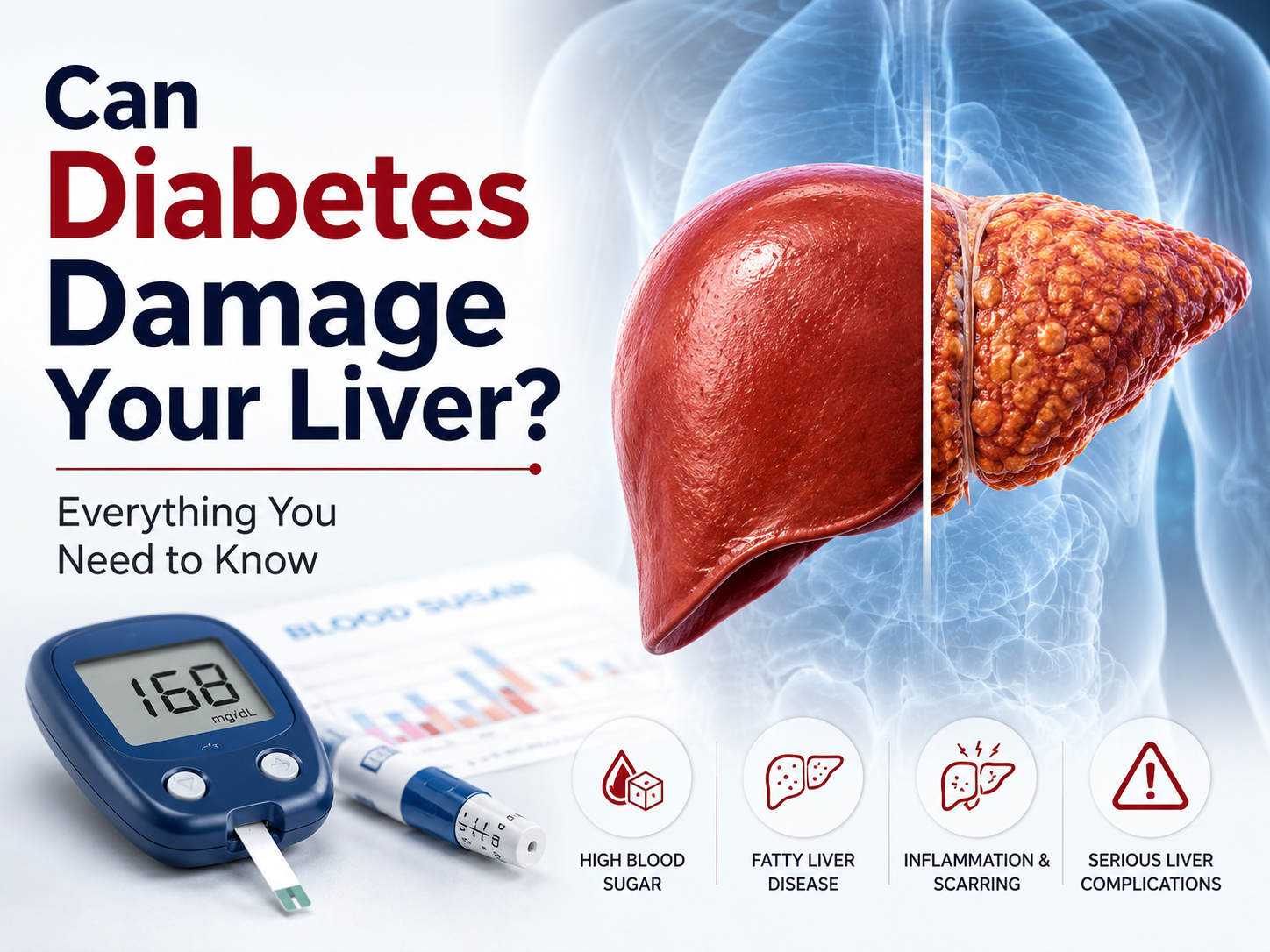
Diabetes and liver health are closely connected. Many people know that diabetes can affect the heart, kidneys, eyes, and nerves, but fewer realize that it can also have a major impact on the liver. The liver plays an important role in controlling blood sugar levels, processing nutrients, storing energy, and removing toxins from the body. When diabetes is not well managed, it can increase the risk of liver problems, including fatty liver disease and liver damage.
Understanding the relationship between diabetes and liver health can help you take early steps to protect both your blood sugar levels and your liver. In this guide, we will explain how diabetes affects the liver, common symptoms, risk factors, treatment options, and lifestyle changes that can support long-term health.
Overview: The Link Between Diabetes and Liver Health
The liver helps regulate glucose (sugar) in the bloodstream. It stores excess glucose and releases it when the body needs energy. In people with diabetes, especially Type 2 Diabetes, this process becomes disrupted.
High blood sugar levels and insulin resistance can cause fat to build up in the liver. Over time, this may lead to liver inflammation, scarring, and even liver failure in severe cases.
Studies show that people with Type 2 Diabetes have a significantly higher risk of developing Non-Alcoholic Fatty Liver Disease (NAFLD), which is now one of the most common liver disorders worldwide.
How Diabetes Affects the Liver
Insulin Resistance
Insulin is a hormone that helps glucose enter cells for energy. In Type 2 Diabetes, the body becomes resistant to insulin. As a result, glucose remains in the bloodstream, and the liver begins storing excess fat.
Fat Accumulation in the Liver
When too much fat accumulates in liver cells, it can lead to Fatty Liver Disease. This condition may not cause symptoms initially but can become serious over time.
Chronic Inflammation
Persistent high blood sugar can trigger inflammation in the liver. Chronic inflammation may damage liver tissue and increase the risk of fibrosis (scarring).
Increased Risk of Liver Disease
Poorly controlled diabetes increases the risk of:
- Non-Alcoholic Fatty Liver Disease (NAFLD)
- Non-Alcoholic Steatohepatitis (NASH)
- Liver fibrosis
- Cirrhosis
- Liver cancer
Common Liver Conditions Associated with Diabetes
Non-Alcoholic Fatty Liver Disease (NAFLD)
NAFLD occurs when excess fat builds up in the liver without alcohol-related causes. It is one of the most common liver disorders among people with diabetes.
Non-Alcoholic Steatohepatitis (NASH)
NASH is a more severe form of fatty liver disease. It involves liver inflammation and damage, increasing the risk of permanent scarring.
Liver Fibrosis
Fibrosis occurs when healthy liver tissue is replaced by scar tissue. This can affect liver function over time.
Cirrhosis
Advanced scarring of the liver is known as cirrhosis. This condition can lead to serious complications and may require a liver transplant in severe cases.
Causes and Risk Factors
Several factors increase the risk of liver problems in people with diabetes.
Major Risk Factors
- Type 2 Diabetes
- Obesity
- Insulin resistance
- High cholesterol
- High triglyceride levels
- Metabolic syndrome
- Sedentary lifestyle
- Poor dietary habits
- High blood pressure
- Family history of liver disease
Additional Contributing Factors
- Smoking
- Excessive alcohol consumption
- Certain medications
- Chronic viral hepatitis
Symptoms of Diabetes-Related Liver Problems
Many liver conditions develop silently and may not show symptoms in the early stages.
Early Symptoms
- Fatigue
- Weakness
- Mild abdominal discomfort
- Unexplained weight changes
- Loss of appetite
Advanced Symptoms
- Yellowing of the skin and eyes (jaundice)
- Swelling in the abdomen
- Swelling in the legs and feet
- Dark urine
- Pale stools
- Easy bruising
- Persistent nausea
If you notice any of these symptoms, seek medical advice promptly.
Diagnosis
Doctors use several tests to evaluate liver health in people with diabetes.
Medical History and Physical Examination
Your doctor will ask about:
- Blood sugar control
- Family history
- Lifestyle habits
- Symptoms
Blood Tests
Common tests include:
- Liver Function Tests (LFTs)
- Blood sugar levels
- HbA1c
- Lipid profile
Imaging Tests
- Ultrasound
- CT Scan
- MRI
Liver Fibrosis Assessment
Specialized scans may assess the degree of liver scarring.
Liver Biopsy
In some cases, a small tissue sample may be taken to confirm the diagnosis.
Treatment Options
Treatment focuses on improving both diabetes control and liver health.
Blood Sugar Management
Maintaining healthy blood sugar levels is one of the most important ways to protect the liver.
Treatment may include:
- Lifestyle changes
- Oral diabetes medications
- Insulin therapy when required
Medication dosage should always be determined by a qualified doctor.
Weight Management
Losing even 5–10% of body weight can significantly reduce liver fat and inflammation.
Cholesterol and Blood Pressure Control
Managing cholesterol and blood pressure can reduce overall liver disease progression.
Regular Monitoring
Routine check-ups help detect liver problems early and monitor treatment effectiveness.
Diabetes Diet for Better Liver Health
Healthy eating supports both diabetes management and liver function.
Foods to Include
- Fresh vegetables
- Fruits in moderation
- Whole grains
- Lean proteins
- Fish rich in omega-3 fatty acids
- Nuts and seeds
- Low-fat dairy products
Foods to Limit
- Sugary beverages
- Processed foods
- Deep-fried foods
- Excess salt
- Refined carbohydrates
- Excessive alcohol
Hydration
Drink adequate water throughout the day to support overall metabolic health.
Lifestyle Changes That Help
Exercise Regularly
Aim for at least 150 minutes of moderate physical activity per week.
Examples include:
- Walking
- Cycling
- Swimming
- Yoga
Maintain a Healthy Weight
Weight management reduces insulin resistance and liver fat accumulation.
Quit Smoking
Smoking increases inflammation and worsens diabetes-related complications.
Sleep Well
Poor sleep may affect blood sugar regulation and liver function.
Manage Stress
Chronic stress can negatively impact blood sugar control.
Helpful techniques include:
- Meditation
- Deep breathing exercises
- Mindfulness practices
Prevention Tips
Preventing liver complications starts with good diabetes management.
Key Prevention Strategies
- Monitor blood sugar regularly
- Follow prescribed treatment plans
- Maintain a healthy weight
- Exercise consistently
- Eat a balanced diet
- Limit alcohol intake
- Get routine liver function tests
- Manage cholesterol and blood pressure
- Attend regular health check-ups
When to See a Doctor
Seek medical attention if you experience:
- Persistent fatigue
- Abdominal swelling
- Jaundice
- Unexplained weight loss
- Severe nausea
- Changes in urine or stool color
- Difficulty managing blood sugar levels
Early diagnosis often leads to better outcomes.
Risks and Complications
Untreated liver disease can lead to:
- Severe liver inflammation
- Liver fibrosis
- Cirrhosis
- Liver failure
- Liver cancer
- Increased cardiovascular risk
- Reduced quality of life
Managing diabetes effectively can significantly lower these risks.
Conclusion
Diabetes and liver health are strongly connected. High blood sugar levels and insulin resistance can increase the risk of fatty liver disease, liver inflammation, and long-term liver damage. Fortunately, many liver-related complications can be prevented through proper diabetes management, healthy eating, regular exercise, weight control, and routine medical check-ups.
If you have diabetes, paying attention to your liver health is just as important as monitoring your blood sugar. Early action can protect your liver and improve your overall well-being for years to come.





Comments (0)
No comments yet. Be the first to share your thoughts!
Leave a Comment