
Introduction: Why the CM’s Message on HIV Matters
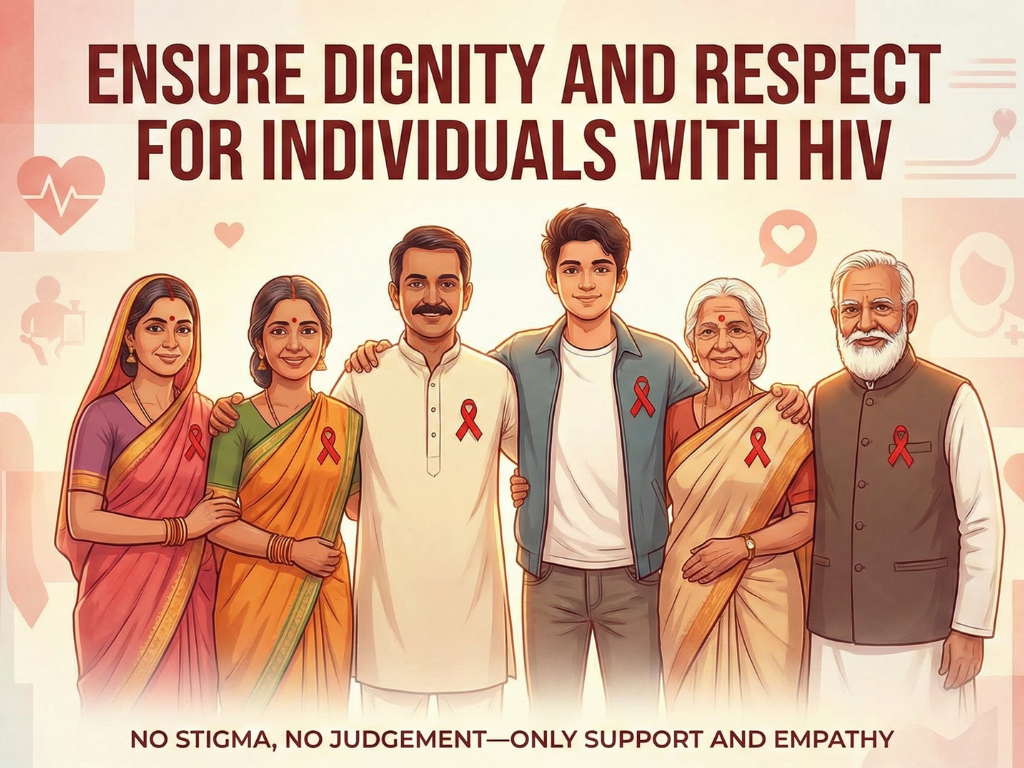
HIV (Human Immunodeficiency Virus) is a virus that weakens the body's immune system. While medicine has improved greatly, the social stigma around HIV remains one of the biggest challenges in India. Many people still face discrimination in schools, workplaces, hospitals, and even at home.
That’s why the statement “Treat those with HIV with dignity” by the Chief Minister (CM) is powerful. It highlights a very important truth:
People living with HIV deserve respect, compassion, and equal treatment, just like anyone else.
HIV is a medical condition, not a moral fault.
With proper treatment, people with HIV can live long, healthy, normal lives.
This blog explains HIV in simple words—its causes, symptoms, treatment, sexual health care, prevention, and the importance of dignity.
HIV: What It Really Means
What Is HIV?
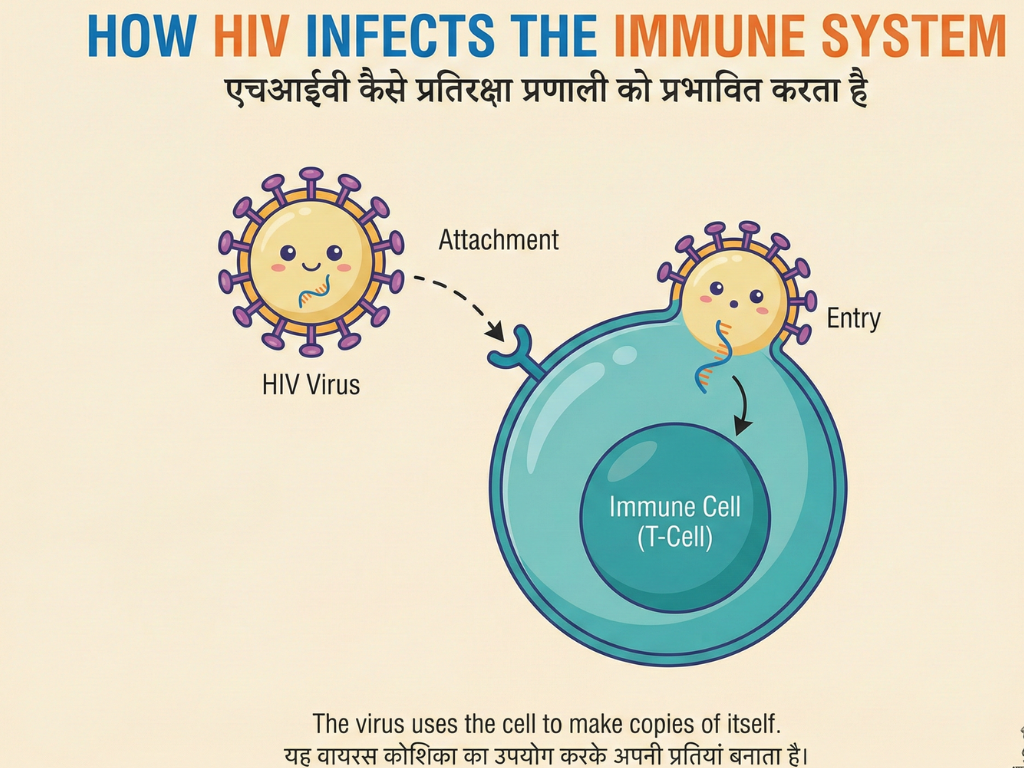
HIV is a virus that attacks the body's immune system. Over time, it makes the person weak and unable to fight infections.
If HIV is not treated, it may progress to AIDS (Acquired Immunodeficiency Syndrome), the advanced stage of the disease.
Why Dignity Matters
People living with HIV often face judgment. This social stigma can be worse than the disease itself.
Dignity means:
No discrimination
No fear
Equal access to medical care
Respect for privacy
Kindness and support
Causes of HIV
How HIV Spreads
HIV spreads through:
-
Unprotected sexual contact
-
Sharing needles or syringes
-
From mother to child during pregnancy, birth, or breastfeeding
-
Blood transfusion with infected blood (rare now due to screening)
How HIV Does NOT Spread
HIV does not spread through:
Hugging
Sharing food
Handshakes
Mosquito bites
Using the same toilet
Talking or touching
This is why dignity is important—most discrimination comes from myths.
Symptoms of HIV
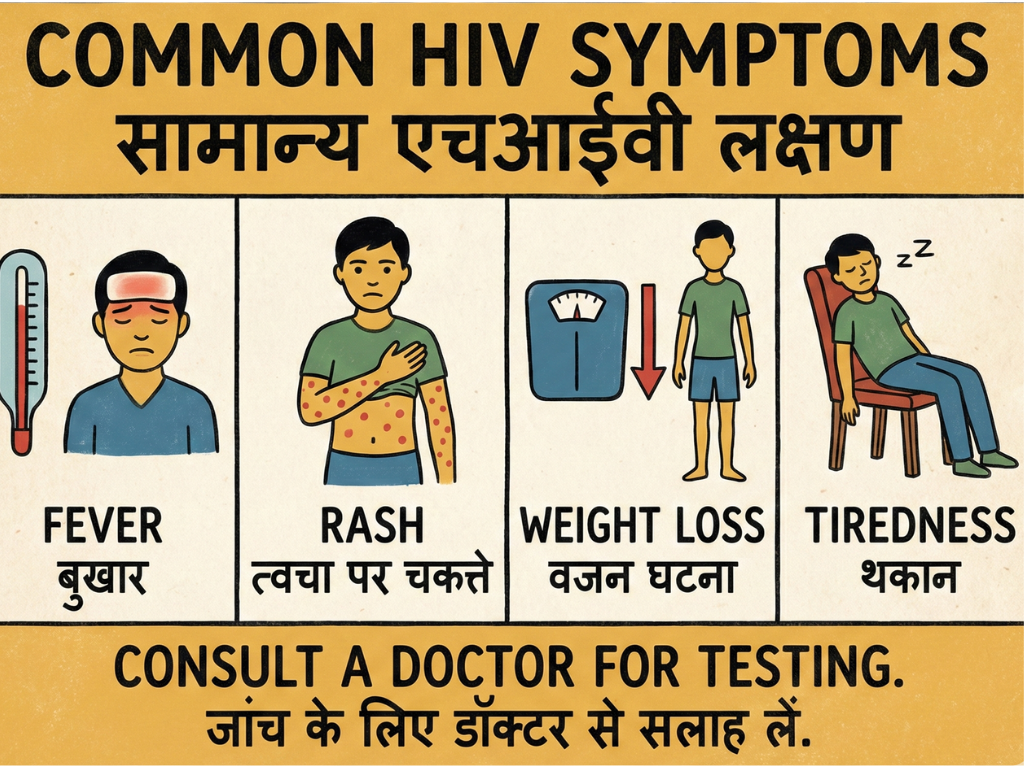
Early (within 2–6 weeks)
-
Fever
-
Tiredness
-
Body aches
-
Rash
-
Sore throat
Ongoing Symptoms
-
Weight loss
-
Frequent infections
-
Night sweats
-
Diarrhoea
-
Long-lasting fever
Many people do not show symptoms for years. Only a test can confirm HIV.
ALSO READ: Child Health Guide: Best Ways To Prevent Flu In Kids This Season
Diagnosis of HIV
Types of HIV Tests
-
Rapid test – results in minutes
-
ELISA test – confirms HIV antibodies
-
PCR test – checks viral load (amount of virus)
Why Early Testing Helps
Early diagnosis = early treatment = better health + longer life.
Treatment of HIV
ART (Antiretroviral Therapy)
ART is a combination of medicines that:
-
Keeps the virus under control
-
Protects the immune system
-
Reduces virus to an undetectable level
-
Helps the person live a normal life
In India, ART is available FREE at government centres.
U = U (Undetectable = Untransmittable)
If a person is on ART and their virus is undetectable, they cannot spread HIV sexually.
This is a scientific fact.
Sexual Health and HIV: What Everyone Should Know
Safe Sexual Practices
-
Always use condoms
-
Test regularly if sexually active
-
Get treated for any STI quickly
-
Discuss sexual history openly with your partner
-
Avoid risky behaviour like unprotected sex
Importance of Sexual Health
Sexual health means:
Protection
Consent
Safety
Regular check-ups
Mental well-being
When sexual health is respected, stigma reduces.
Prevention of HIV
How to Protect Yourself
-
Use condoms correctly every time
-
Do not share needles
-
Get tested with your partner before marriage or intimacy
-
Pregnant mothers with HIV should take ART to protect the baby
-
Consider PrEP (Pre-Exposure Prophylaxis) if at high risk
-
Ensure blood transfusions are from certified banks
When to See a Doctor
Seek medical help if you:
-
Had unprotected sex
-
Have flu-like symptoms after risky exposure
-
Share needles
-
Are pregnant and HIV positive
-
Want to start ART
-
Need PrEP or PEP
Doctors help with early diagnosis and support.
Risks and Complications of Untreated HIV
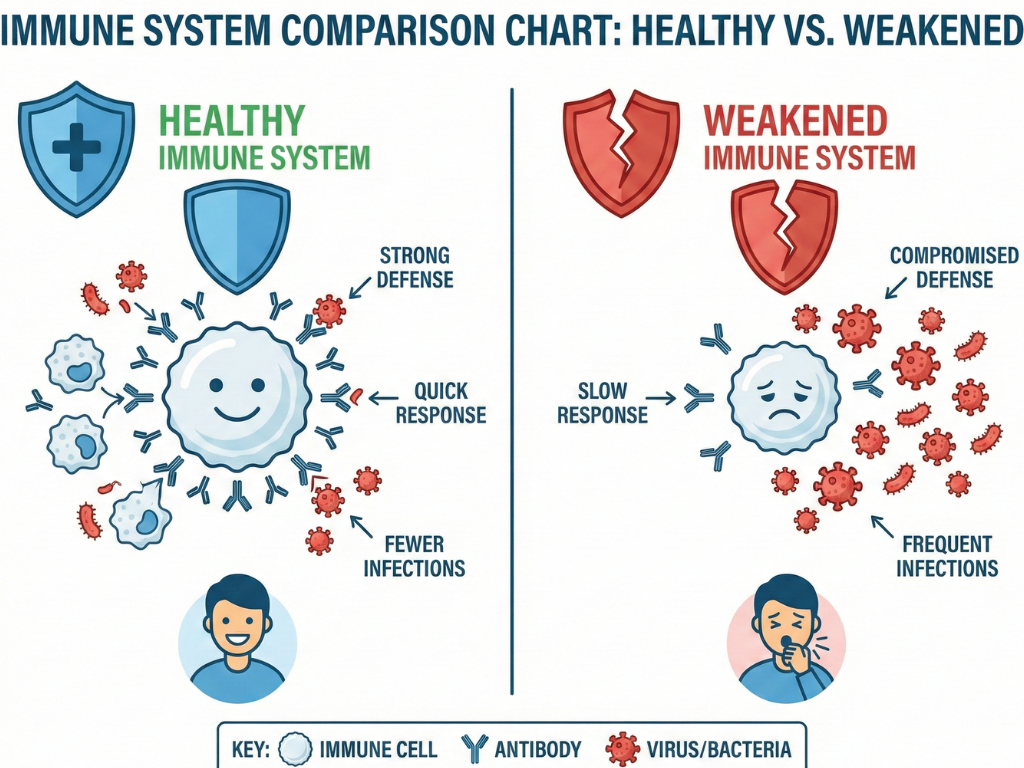
Untreated HIV may lead to:
-
Severe weight loss
-
Repeated infections
-
Lung problems
-
Tuberculosis
-
Memory issues
-
AIDS
But with treatment, these complications can be avoided.
Social Support: Treating People With Dignity
Why the CM’s Statement Is Important
Leaders encouraging dignity help improve:
-
Health outcomes
-
Social acceptance
-
Equality in hospitals
-
Workplace policies
-
Community attitudes
How You Can Support Someone With HIV
-
Be kind
-
Do not judge
-
Protect privacy
-
Encourage treatment
-
Learn the facts
-
Avoid spreading myths
Compassion saves lives.
50 Frequently Asked Questions About HIV (Short, Simple Answers)
1. What is HIV?
HIV is a virus that weakens the immune system.
2. Does HIV spread by touch?
No, HIV does not spread by touching or hugging.
3. Can HIV be cured?
There is no cure yet, but medicines control it well.
4. What is AIDS?
AIDS is the advanced stage of HIV.
5. Can a person with HIV live a long life?
Yes, with treatment they can live a normal lifespan.
6. Does kissing spread HIV?
No, casual kissing does not spread HIV.
7. Can HIV spread through food?
No, HIV is not spread through sharing food.
8. What is ART?
ART is medicine that controls HIV.
9. Are ART medicines free in India?
Yes, at government ART centres.
10. Can HIV spread through mosquitoes?
No, mosquitoes cannot spread HIV.
11. Can a pregnant woman with HIV have a healthy baby?
Yes, with proper treatment.
12. What is viral load?
Amount of HIV in the blood.
13. What does undetectable mean?
Virus level is too low to be found in tests.
14. Is HIV the same as AIDS?
No, HIV is the virus; AIDS is the late stage.
15. Can condoms prevent HIV?
Yes, condoms are very effective.
16. What is PrEP?
A medicine that prevents HIV.
17. What is PEP?
A medicine taken after exposure to reduce risk.
18. Does HIV spread through air?
No, it does not spread by air.
19. Can HIV spread through toilet seats?
No, it cannot.
20. Can sharing razors spread HIV?
Yes, if they have infected blood.
21. How soon can HIV be detected?
Usually after 2–6 weeks.
22. Is HIV common in India?
Yes, but treatment is widely available.
23. Can HIV cause weight loss?
Yes, if untreated.
24. Why is stigma harmful?
It stops people from seeking care.
25. Can HIV spread through saliva?
No, normal saliva does not transmit HIV.
26. Is there a vaccine for HIV?
Not yet.
27. Does early treatment help?
Yes, it protects the immune system.
28. Can HIV affect mental health?
Yes, stress and depression are common.
29. Should people with HIV marry?
Yes, if they wish—treatment ensures safety.
30. Can HIV spread through oral sex?
Risk is low but possible.
31. Can I get HIV from a blood test?
No, medical needles are sterile.
32. Does HIV spread in swimming pools?
No, it cannot survive in water.
33. Is HIV lifelong?
Yes, but manageable.
34. Can healthy-looking people have HIV?
Yes, many show no symptoms.
35. Can HIV spread through breastfeeding?
Yes, but medicines reduce risk.
36. What are the first signs of HIV?
Fever, rash, body ache.
37. Do all people with HIV get AIDS?
No, treatment prevents AIDS.
38. Is testing important?
Yes, early testing saves lives.
39. Is HIV painful?
The virus isn’t painful, but infections may occur.
40. Can HIV positive people work normally?
Yes, they can do any job.
41. Can HIV spread through sweat?
No, sweat does not spread HIV.
42. Can couples have children safely?
Yes, with proper medical guidance.
43. What is CD4 count?
A measure of immune strength.
44. Do side effects occur from ART?
Some may occur but usually improve.
45. Should HIV patients exercise?
Yes, it helps maintain health.
46. Is HIV testing confidential?
Yes, clinics keep results private.
47. Can HIV spread through tattoos?
Risk is low if needles are sterilized.
48. Is counselling helpful?
Yes, it supports mental health.
49. Can HIV be prevented?
Yes, with safe sex and precautions.
50. Why should we treat HIV patients with dignity?
Because they deserve respect, care, and equal rights.
Conclusion
HIV is a medical condition, not a reason to judge or isolate someone. The CM’s message reminds us that dignity, kindness, and respect can change lives. With treatment, education, and compassion, India can build a healthier, more inclusive society.
Quickobook CTA
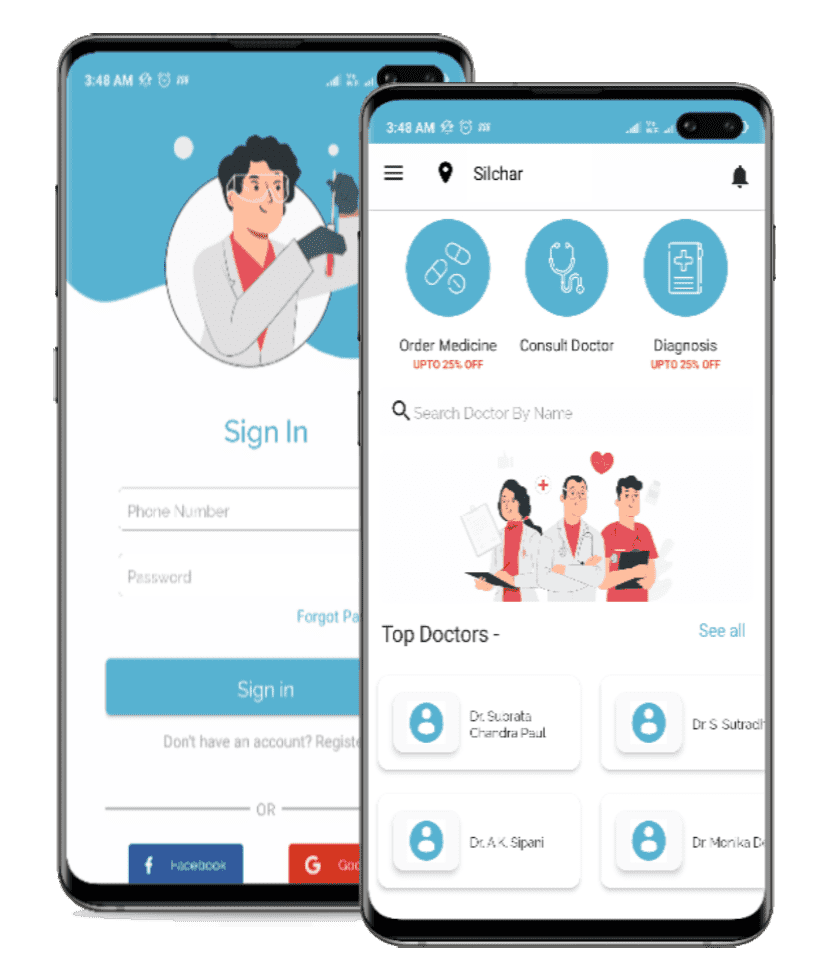
Need confidential HIV testing, counselling, or a sexual health doctor?
Book a trusted specialist now on Quickobook
Find nearby HIV care centres instantly
100% private, safe, and reliable
Your health. Your dignity. Your choice.
Quickobook is here for you.

Comments (0)
No comments yet. Be the first to share your thoughts!
Leave a Comment