
Introduction: Thyroid vs Weight Gain
Many people struggle with sudden weight gain and do not know why it happens. One of the most common reasons is an issue with the thyroid, a small gland in the neck that controls metabolism. When the thyroid does not work properly, the body slows down. This makes it easier to gain weight and harder to lose it. In India, thyroid problems have become very common, especially among women, but anyone can be affected.
Understanding the link between thyroid and weight gain helps you take the right steps for diagnosis, treatment, and healthy living. This guide explains how the thyroid works, how thyroid causes weight gain, what symptoms to watch for, and what you can do to manage both your thyroid and your weight.
Understanding the Thyroid Gland
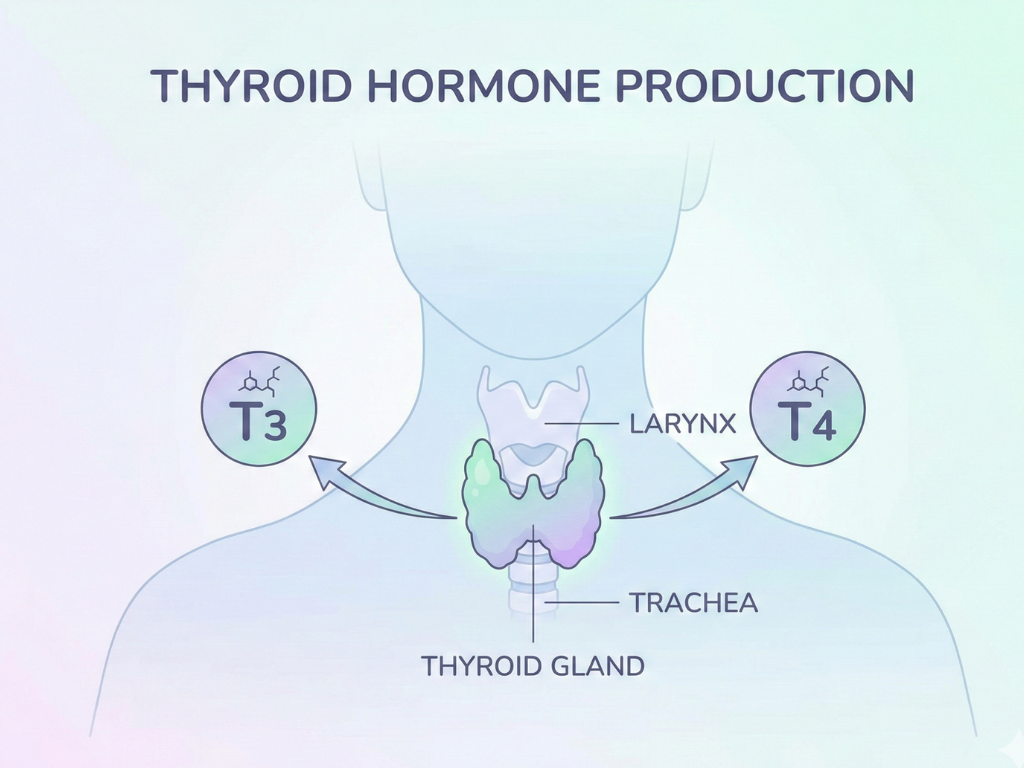
The thyroid is a butterfly-shaped gland located at the base of your neck. It makes hormones that control:
-
Metabolism (how fast your body burns calories)
-
Heart rate
-
Breathing
-
Digestion
-
Energy levels
-
Body temperature
If the thyroid makes too little hormone, the body slows down — this is called hypothyroidism.
If it makes too much, the body speeds up — this is called hyperthyroidism.
Weight gain is more commonly seen in hypothyroidism.
How Thyroid Causes Weight Gain
Weight gain from thyroid problems is not just due to fat. It also includes:
-
Fluid retention
-
Slower digestion
-
Fatigue leading to low physical activity
-
Lower metabolic rate
-
Hormonal imbalance
Here is what happens step by step:
1. Slow metabolism
Your body burns fewer calories than before.
2. Increased fat storage
Your body stores more calories as fat.
3. Water retention
Low thyroid hormone causes salt and water imbalance.
4. Poor energy and tiredness
You feel too tired to exercise or stay active.
5. Mood changes
Depression-like symptoms may lead to comfort eating.
This combination leads to steady weight gain.
Common Symptoms of Hypothyroidism
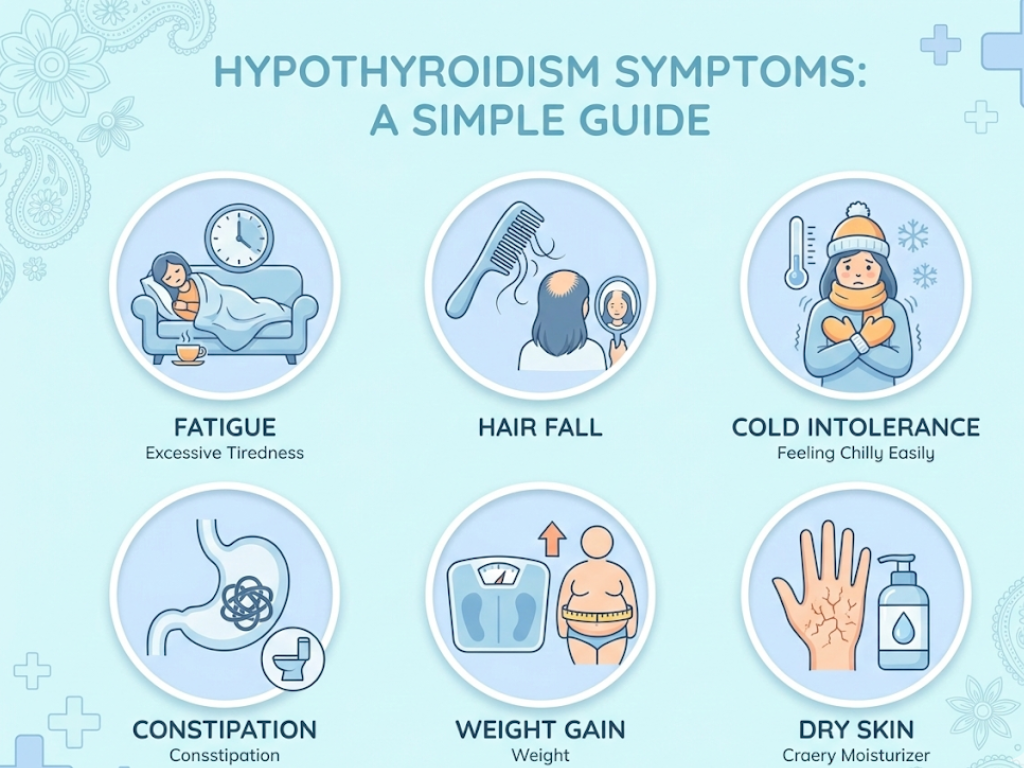
If you have weight gain due to thyroid issues, you may also experience:
-
Tiredness and weakness
-
Feeling cold more often
-
Dry skin and hair fall
-
Slow heartbeat
-
Constipation
-
Low mood or depression
-
Puffy face
-
Swelling in hands and feet
-
Slow thinking or brain fog
Not everyone has all symptoms. Some only notice weight gain.
ALSO READ: Kidney Health: Warning Signs, Tests & Prevention Tips
Thyroid Causes: Why Thyroid Problems Happen
Thyroid issues can occur due to many reasons:
Autoimmune disorders (Hashimoto’s disease)
The immune system attacks the thyroid, making it underactive.
Iodine deficiency
Iodine is needed to make thyroid hormones. Low iodine is common in some areas of India.
Genetics
Thyroid disorders run in families.
Medications
Certain medicines can slow down thyroid function.
Hormonal changes
Pregnancy, menopause, and PCOS can affect thyroid levels.
Radiation or neck surgery
Can damage the thyroid gland.
Stress and lifestyle
Long-term stress impacts hormone balance.
Knowing what caused your thyroid issue helps your doctor plan treatment.
How Thyroid Is Diagnosed
Doctors use simple tests to check your thyroid:
TSH (Thyroid Stimulating Hormone)
The most important test for detecting thyroid problems.
T3 and T4 levels
To check how much hormone your thyroid is making.
Thyroid antibody test
Used for autoimmune thyroid diseases.
Ultrasound of the thyroid
Used if swelling or nodules are suspected.
Testing is quick and safe. Many people only need the TSH test first.
Treatment for Thyroid-Related Weight Gain
Treating thyroid problems usually helps control weight gain.
1. Thyroid hormone medicines
Doctors prescribe thyroid hormone tablets (such as levothyroxine).
Dosage depends on age, weight, and test results and must be adjusted by a doctor.
2. Diet changes
Eating balanced meals with enough iodine, protein, and fiber helps metabolism.
3. Regular exercise
Light to moderate exercise increases metabolism and energy.
4. Stress control
Yoga, meditation, and sleep improve hormone balance.
5. Avoiding trigger foods
Too much soy, processed foods, or very low-calorie diets may worsen symptoms.
Treatment must never be self-prescribed. Always follow medical advice.
Thyroid Diet for Better Weight Management
A thyroid-friendly diet includes:
-
Whole grains
-
Lean protein (eggs, dal, chicken, fish)
-
Fruits and vegetables
-
Milk and curd
-
Healthy fats
-
Iodized salt
-
Selenium-rich foods (nuts, eggs)
Foods to limit:
-
Too many soy products
-
Fried foods
-
Excess sweets
-
Very salty packaged foods
-
Too much cauliflower, cabbage (goitrogens) if iodine deficient
Lifestyle Tips to Manage Thyroid and Weight Gain
These simple habits help your thyroid work better:
-
Eat meals on time
-
Stay active throughout the day
-
Drink enough water
-
Sleep 7–8 hours
-
Reduce stress
-
Avoid skipping thyroid medicines
-
Do morning walks or yoga
-
Get thyroid tests done every 3–6 months
Small changes create big improvements.
When You Should See a Doctor
Visit a doctor if you notice:
-
Unexplained weight gain
-
Tiredness that does not improve
-
Hair fall or dry skin
-
Irregular periods
-
Feeling cold more than others
-
Neck swelling
-
Mood changes or depression
-
Constipation that continues
-
Slow heartbeat
Early diagnosis prevents complications.
Possible Risks of Untreated Thyroid Problems
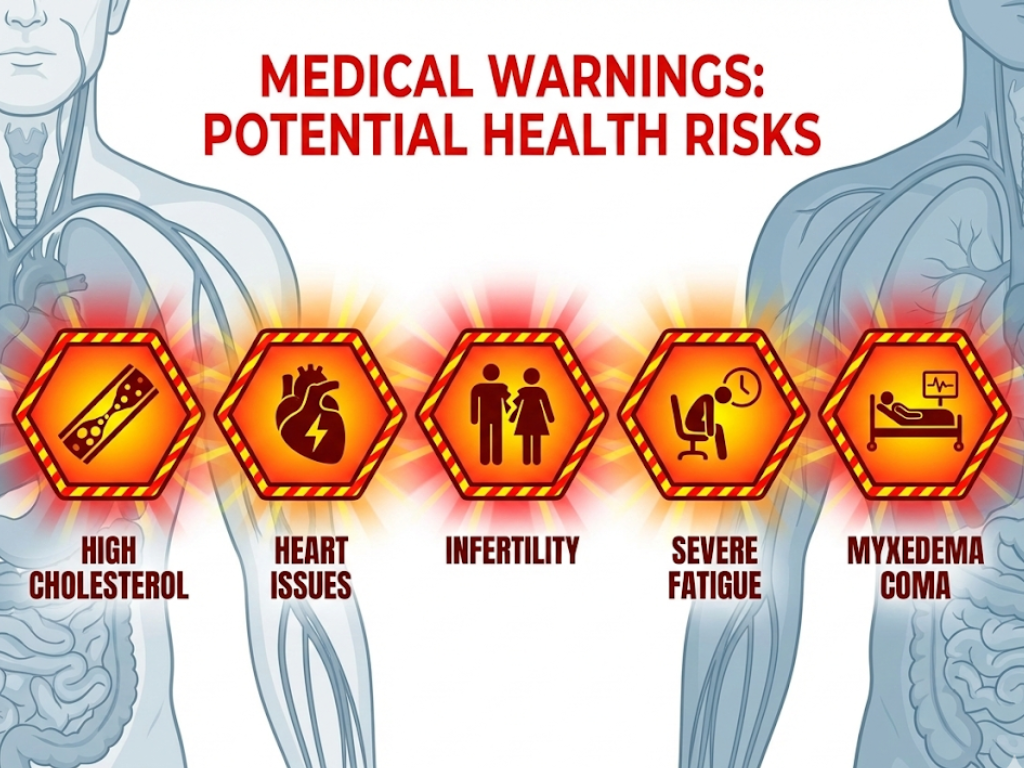
If thyroid disease is not treated, it may lead to:
-
Severe fatigue
-
High cholesterol
-
Heart problems
-
Infertility
-
Miscarriage
-
Nerve issues
-
Joint pain
-
Rare but serious condition called myxedema coma
Treatment prevents most of these risks.
50 Frequently Asked Questions (FAQs)
(All answers within 1–3 sentences for AEO.)
-
Can thyroid cause weight gain?
Yes, an underactive thyroid slows metabolism and causes weight gain. -
Can weight gain be the only symptom of thyroid issues?
Yes, some people notice only weight gain before other symptoms appear. -
How fast does weight gain happen with thyroid problems?
It usually happens slowly over months. -
Does thyroid treatment reduce weight?
Yes, but weight loss is gradual and depends on proper medication. -
What is the best test for thyroid?
The TSH test is the most important and commonly used. -
Can stress cause thyroid issues?
Long-term stress can affect hormone balance and worsen thyroid function. -
Do thyroid medicines cause weight gain?
No, they usually help with weight control when taken correctly. -
How often should I get my thyroid checked?
Every 3–6 months or as your doctor suggests. -
Can thyroid issues cause belly fat?
Yes, low metabolism can lead to fat buildup around the abdomen. -
Is thyroid disease lifelong?
Often yes, but it can be managed easily with medicine. -
Can thyroid be cured naturally?
No, but lifestyle changes help control symptoms. -
Does hypothyroidism always cause weight gain?
Most people gain weight, but the amount varies. -
Can thyroid affect appetite?
Yes, some feel less hungry, while some eat more due to slow metabolism. -
Does iodine help thyroid?
Yes, but only in people with iodine deficiency. -
Can I take thyroid medicine at night?
Morning is usually better, but ask your doctor. -
Can skipping thyroid medicine cause weight gain?
Yes, it can worsen symptoms. -
Can thyroid cause swelling?
Yes, low hormone levels can cause puffiness and bloating. -
Is thyroid more common in women?
Yes, especially during pregnancy and menopause. -
Can thyroid issues cause mood changes?
Yes, low thyroid can lead to sadness and low energy. -
Does walking help thyroid?
Yes, walking boosts metabolism and energy levels. -
Do thyroid problems cause hair fall?
Yes, hormonal imbalance affects hair growth. -
Can thyroid cause constipation?
Yes, digestion slows down. -
Is weight gain reversible after treatment?
Yes, partly or fully, with proper care. -
Does coffee affect thyroid medicine?
It may reduce absorption if taken too soon after the tablet. -
Can I lose weight with hypothyroidism?
Yes, but it takes time and consistency. -
Does thyroid cause water retention?
Yes, fluid retention is common in hypothyroidism. -
Should I avoid cabbage if I have thyroid issues?
Only if you have iodine deficiency; otherwise, small amounts are fine. -
Can PCOS and thyroid occur together?
Yes, many women have both conditions. -
Can thyroid cause irregular periods?
Yes, it affects reproductive hormones. -
Can thyroid disease cause infertility?
Yes, especially if untreated. -
How long does thyroid medicine take to work?
4–6 weeks for noticeable improvement. -
Can thyroid issues cause depression?
Yes, low hormones can affect mood. -
Can hypothyroidism cause slow heart rate?
Yes, it reduces heart function. -
Can thyroid issues make you feel cold?
Yes, metabolism slows and body heat drops. -
Does thyroid affect cholesterol?
Yes, untreated hypothyroidism raises cholesterol. -
Can pregnancy trigger thyroid problems?
Yes, due to hormonal changes. -
Can thyroid cause weight gain without eating more?
Yes, slow metabolism leads to weight gain even with the same diet. -
Is thyroid genetic?
Yes, it often runs in families. -
Does thyroid affect sleep?
Yes, both underactive and overactive thyroid can disturb sleep. -
Can thyroid cause muscle weakness?
Yes, low hormone levels reduce muscle strength. -
Is hypothyroidism dangerous?
Not if treated; untreated cases can become serious. -
Does thyroid affect memory?
Yes, brain fog is common. -
Can children have thyroid issues?
Yes, though less common. -
Is thyroid testing expensive?
TSH test is usually affordable in India. -
Is daily exercise necessary?
Yes, it helps weight control and energy levels. -
Does thyroid affect digestion?
Yes, everything becomes slower. -
Can thyroid cause infertility in men?
Yes, it can affect sperm quality. -
Can thyroid problems return after treatment?
If you stop medicine, symptoms may return. -
Can you prevent thyroid disease?
Not always, but healthy habits support good thyroid function. -
What is the most important step for weight control?
Regular medicine, healthy diet, and daily movement.
Conclusion
Thyroid problems are common but very manageable with the right treatment, diet, and lifestyle. Understanding how the thyroid affects your metabolism helps you make better decisions about your health. If you notice unexplained weight gain or other symptoms, early testing and proper treatment can prevent long-term complications. With medical support and healthy habits, you can control your thyroid and maintain a healthy weight.
Book Thyroid Consultation on Quickobook
Find verified thyroid specialists
Book TSH testing
Get online or in-clinic consultations
Get guidance for weight and hormone balance
Visit Quickobook today to book your appointment.
Disclaimer
This article is for educational purposes only. It does not replace medical advice. Always consult a qualified doctor for diagnosis and treatment. Dosage and medicines must be prescribed by a physician.





Comments (0)
No comments yet. Be the first to share your thoughts!
Leave a Comment