

Introduction
Kidney health is an essential part of your overall well-being. Your kidneys help remove waste, balance fluids, control blood pressure, and keep your body functioning smoothly. But kidney problems often begin silently. Many people in India only discover kidney disease during a routine test or when the condition becomes serious.
This blog explains the early warning signs, common tests, prevention tips, daily habits, and when to see a kidney specialist. Whether you are concerned about your health or caring for a family member, this guide will help you understand kidney health in a simple and practical way.
What Do Your Kidneys Do?
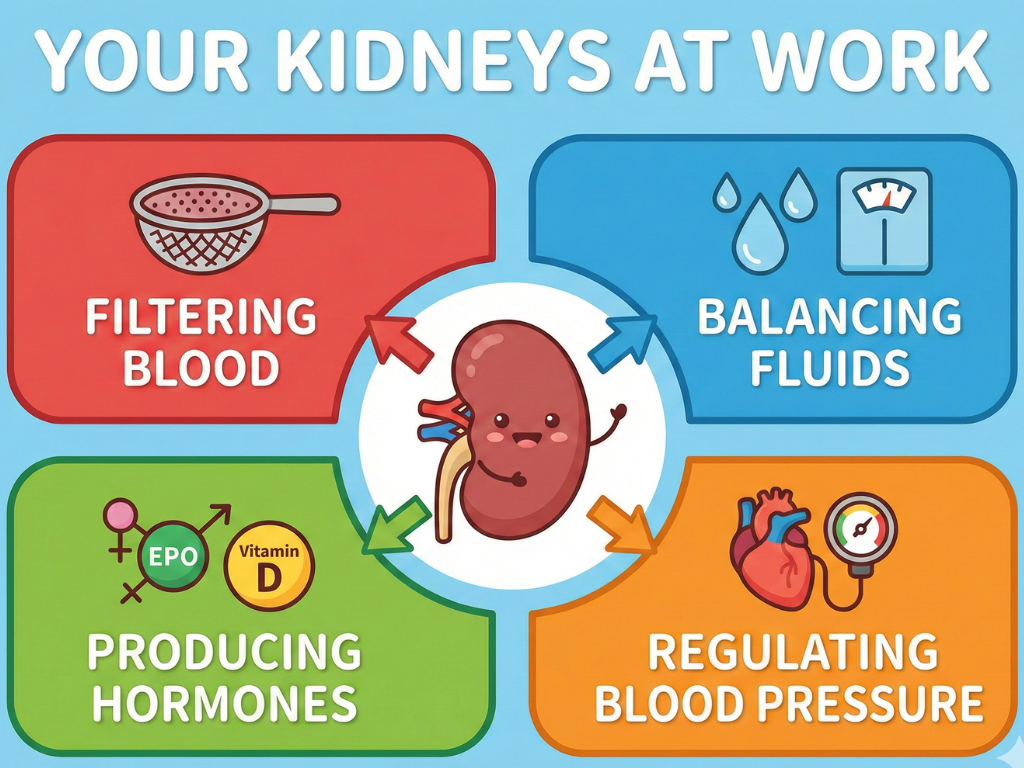
Your kidneys do much more than filter waste. They help maintain the balance of minerals like sodium and potassium, keep your blood pressure steady, support healthy bones, and even help your body make red blood cells. Because kidney disease often progresses slowly, keeping kidney health strong is important for everyone, especially in India where diabetes and high blood pressure are common.
Why Kidney Health Matters in India
India has one of the highest rates of diabetes and high blood pressure in the world—two major causes of kidney failure. Lifestyle changes, stress, poor water intake, processed food, and pollution also increase the risk of kidney problems.
Many people ignore early symptoms, thinking they are “normal,” like tiredness or swelling in the feet. But early detection can prevent serious conditions such as chronic kidney disease (CKD).
Early Warning Signs of Poor Kidney Health
Kidney disease usually starts quietly. But your body gives certain early signs:
Swelling in Feet, Ankles, or Face
When kidneys do not filter excess fluid, it collects in different parts of the body. Swelling around the eyes is a common early sign.
Foamy or Bloody Urine
Foamy urine means protein is leaking from your kidneys. Blood in urine could mean infection, stones, or kidney damage.
Changes in Urination
You may urinate more often, less often, or feel burning during urination.
Back or Side Pain
Pain below the ribs on one or both sides may be related to kidney stones or an infection.
Constant Tiredness
Your kidneys produce a hormone that helps your body make red blood cells. When kidneys weaken, you feel tired and weak.
High Blood Pressure
High BP can damage kidneys, and kidney disease can raise BP further. This creates a dangerous cycle.
Loss of Appetite and Nausea
When toxins build up in the body, digestion slows down.
Common Causes of Kidney Problems in India
Kidney care India focuses heavily on preventing these common causes:
Diabetes
High blood sugar levels damage kidney filters slowly over time. This is the number one cause of kidney failure in India.
High Blood Pressure
Uncontrolled BP damages kidney vessels.
Kidney Stones
Hot climate, low water intake, and salty diets increase the risk of stones, which can harm the kidneys.
Repeated Infections
Untreated urinary infections can reach the kidneys and cause long-term damage.
Painkiller Overuse
Regular use of NSAIDs (painkillers like ibuprofen or diclofenac) can weaken kidney function.
Family History or Genetic Disorders
Some kidney problems, like polycystic kidney disease, run in families.
ALSO READ: Unprotected Sex Among Youth In India: What’s Causing The Rise?
Tests to Check Your Kidney Health
If you notice symptoms, or if you have diabetes or high BP, regular kidney tests are important.
Creatinine Blood Test
Measures waste levels in the blood. High creatinine suggests poor kidney function.
eGFR Test
Shows how well the kidneys are filtering blood.
-
Normal: above 90
-
Mild damage: 60–89
-
Severe damage: below 60
Urine Routine Test
Checks for blood, infection, protein, or other abnormalities.
Kidney Function Test (KFT)
A group of tests including urea, creatinine, and electrolytes.
Ultrasound Abdomen
Identifies swelling, stones, cysts, or blockages.
Microalbumin Test
Useful for early detection in diabetic patients.
Prevention Tips to Protect Your Kidney Health
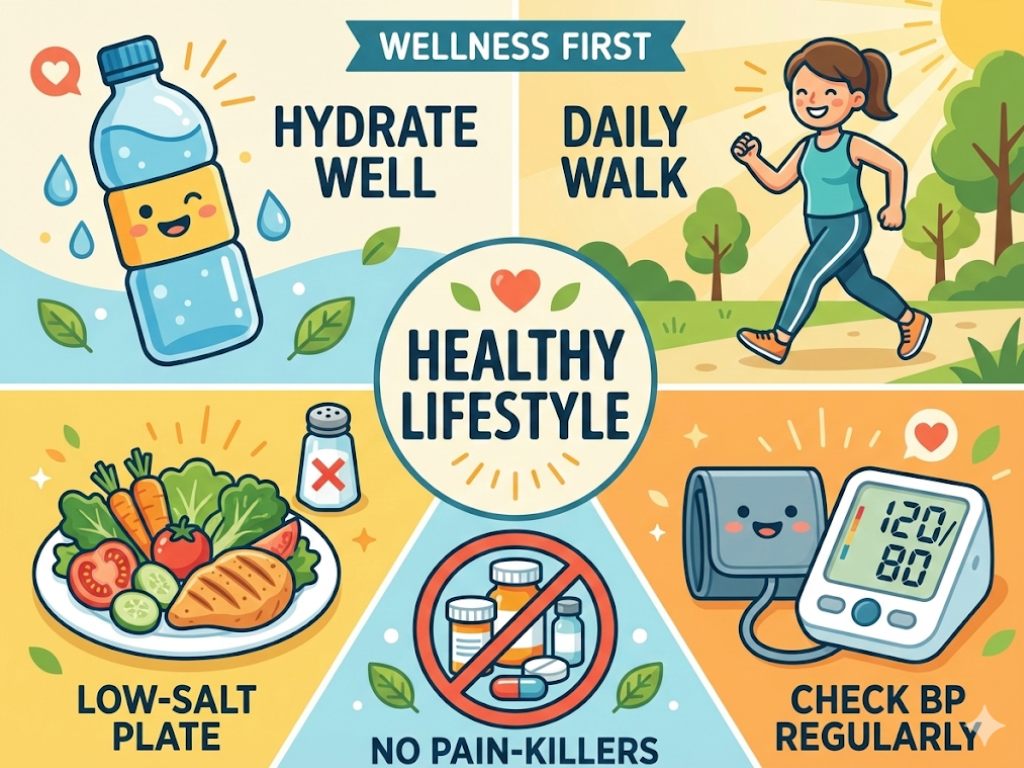
Drink Enough Water
Most adults should drink 2–3 liters per day unless advised otherwise by a doctor.
Control Blood Sugar
Diabetics should check levels regularly and follow prescribed diet and medicines.
Manage Blood Pressure
Keep your BP in the healthy range to protect kidney vessels.
Eat Less Salt
Too much salt raises blood pressure and harms kidneys.
Limit Junk and Processed Foods
These foods contain high amounts of salt, sugar, and harmful fats.
Avoid Excess Painkillers
Use painkillers only when needed and with medical advice.
Exercise Regularly
Walking for 30 minutes a day improves blood flow and keeps kidneys healthy.
When to See a Nephrologist (Kidney Specialist)
You should meet a kidney doctor if you notice:
-
Frequent urination
-
Burning urination
-
Swelling in feet, face, or hands
-
High blood pressure
-
Pain in the back or side
-
Foamy or bloody urine
-
Creatinine above normal in tests
-
Medical history of stones or infection
Early consultation can prevent long-term damage.
Kidney Test and Treatment Costs in India
Costs vary by clinic and city, but here are general estimates:
-
Creatinine test: ₹150–₹300
-
Urine routine test: ₹100–₹200
-
KFT panel: ₹400–₹900
-
Ultrasound abdomen: ₹700–₹1,500
-
Nephrologist consultation: ₹500–₹1,200
Hospital-based tests are slightly costlier than independent labs.
Daily Habits to Keep Kidneys Healthy

-
Drink clean water
-
Reduce salt and sugar
-
Maintain a healthy weight
-
Check BP and sugar at home
-
Eat more fruits and vegetables
-
Avoid smoking and alcohol
-
Sleep 7–8 hours daily
Small habits help protect long-term kidney health.
50 FAQs on Kidney Health
-
What is the first sign of kidney disease?
Swelling, urine changes, and tiredness are common early signs. -
Can kidney disease be cured?
Early stages can be controlled; late stages need long-term care. -
How much water should I drink daily?
Usually 2–3 liters unless your doctor advises otherwise. -
Does diabetes affect kidney health?
Yes, diabetes is the leading cause of kidney damage. -
Does high blood pressure damage kidneys?
Yes, it weakens kidney vessels over time. -
Is foamy urine serious?
It may indicate protein leakage, which needs testing. -
Can kidney stones cause kidney disease?
Repeated or large stones can damage kidneys. -
Is kidney pain always serious?
Pain may be due to stones or infection and should be checked. -
What foods harm kidneys?
High salt, processed foods, and fried foods. -
Is creatinine the main kidney test?
Yes, creatinine is a key measure of kidney function. -
Can dehydration harm kidneys?
Yes, repeated dehydration leads to damage. -
Can kidney disease cause itching?
Yes, toxin buildup causes skin irritation. -
How often should diabetics test kidney health?
At least once a year. -
Can kidney disease cause anemia?
Yes, because kidneys help produce red blood cells. -
Is dialysis permanent?
Not always; some patients recover enough to stop. -
Can you live with one kidney?
Yes, many people live normal lives with one kidney. -
Does alcohol affect kidneys?
Yes, heavy drinking harms kidney function. -
Is kidney disease painful?
Some types are painful; others are silent. -
Are kidney infections dangerous?
If untreated, they can cause permanent damage. -
Do women get kidney infections more?
Yes, due to their shorter urinary tract. -
Can kidney problems cause vomiting?
Yes, due to buildup of waste. -
Does a low-salt diet help kidneys?
Yes, it reduces stress on the kidneys. -
Can herbs cure kidney disease?
No, only medical treatment can manage kidney disease. -
Do painkillers damage kidneys?
Regular long-term use can be harmful. -
What is CKD?
Chronic kidney disease, a gradual loss of kidney function. -
Can kidney disease be prevented?
Yes, with early tests and healthy habits. -
Do kidney problems affect sleep?
Yes, toxin buildup can disturb sleep. -
Can kidney disease cause weight loss?
Yes, due to poor appetite and weakness. -
Can exercise help kidney health?
Yes, it controls BP and sugar. -
What is microalbumin?
A test that detects early kidney damage. -
Is kidney disease genetic?
Some forms are inherited. -
Do UTIs affect kidneys?
Yes, untreated UTIs can spread upward. -
What is renal failure?
When kidneys stop working properly. -
Can kidney disease cause swelling?
Yes, due to fluid retention. -
Do kidney problems raise BP?
Yes, kidney disease can cause high BP. -
Is urine color linked to kidney health?
Dark or unusual color may indicate issues. -
Can kidney disease cause cramps?
Yes, due to electrolyte imbalance. -
Is protein harmful for kidneys?
Too much protein strains weak kidneys. -
Can stress affect kidneys?
Indirectly, through blood pressure changes. -
Can kidney function improve?
Yes, in early stages with proper treatment. -
What is eGFR?
A measure that shows kidney function level. -
Can kidney disease cause loss of appetite?
Yes, due to buildup of waste. -
Do kids get kidney problems?
Yes, due to infections or birth disorders. -
Can stones form again after removal?
Yes, without proper diet and hydration. -
Does drinking soda harm kidneys?
Frequent intake may increase stone risk. -
Can kidney infections be cured?
Yes, with proper antibiotics. -
Can poor kidney health cause headaches?
Yes, due to high BP or toxin buildup. -
Is dialysis painful?
Most patients do not feel pain during the process. -
Can kidney disease affect memory?
Yes, due to toxin buildup in the blood. -
Which doctor treats kidney disease?
A nephrologist specializes in kidney problems.
Conclusion
Kidney health is essential for a long and active life. Early signs should never be ignored because kidney disease often starts silently. With simple daily habits, regular tests, and early treatment, you can protect your kidneys for years to come. People in India, especially those with diabetes or high BP, should pay extra attention to kidney care.
Quickobook CTA
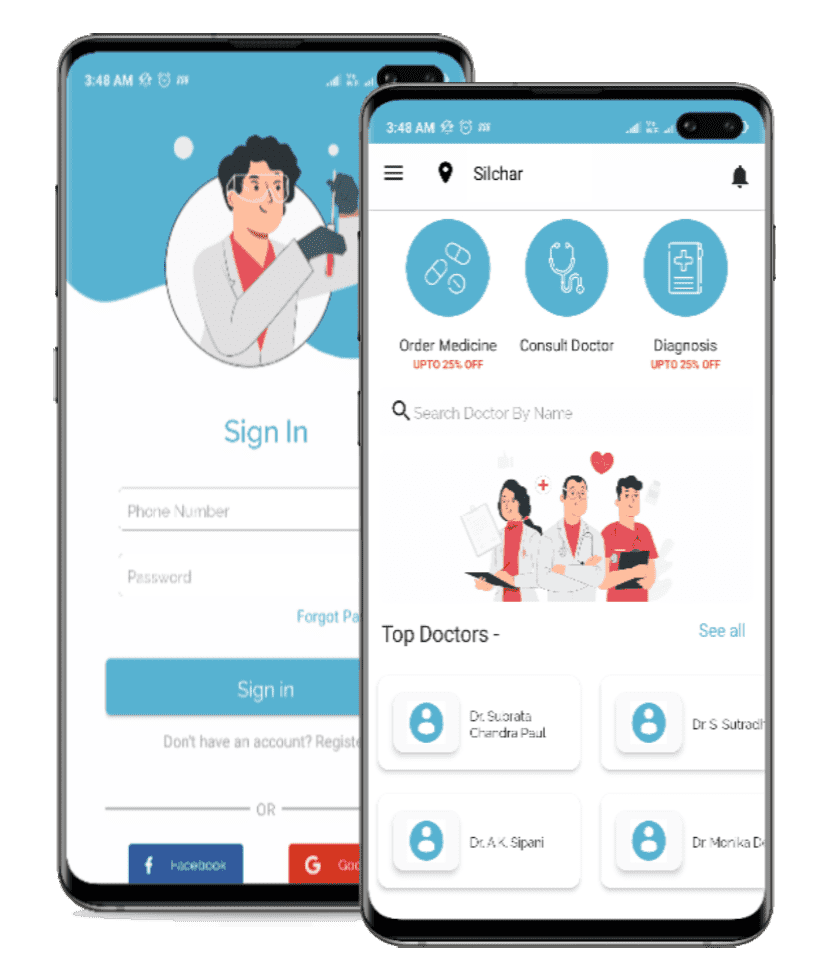
If you notice kidney-related symptoms or want a kidney health checkup, you can easily book a nephrologist near you through Quickobook.
Fast booking, verified doctors, and trusted healthcare — all in one place.
Disclaimer
This blog is for educational purposes only. It is not a substitute for medical advice, diagnosis, or treatment. Always consult a qualified doctor for health concerns.




Comments (0)
No comments yet. Be the first to share your thoughts!
Leave a Comment