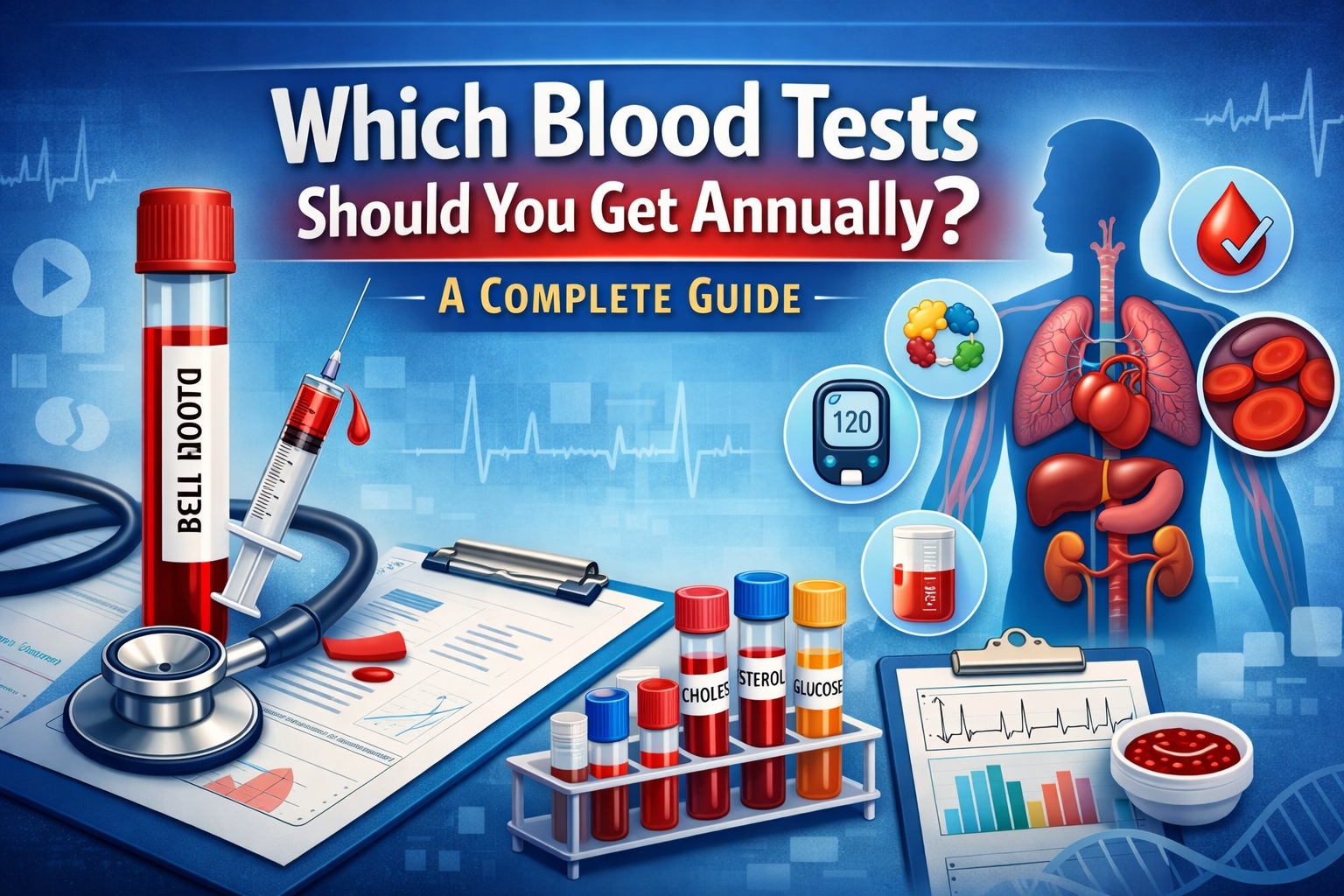

Good health isn't just about how you feel today. Many serious conditions — diabetes, thyroid disorders, anaemia, high cholesterol — develop silently for years before symptoms appear. An annual blood test panel is one of the simplest ways to catch problems early, when they're still easy to treat.
Here's a complete guide to the blood tests every adult should consider getting once a year.
1. Complete Blood Count (CBC)
What it checks: Red blood cells, white blood cells, haemoglobin, and platelets.
Why it matters: A CBC gives your doctor a broad picture of your overall health. It can detect anaemia (common in women and vegetarians across Northeast India), infections, and blood disorders — often before you feel any symptoms.
Who needs it: Everyone, every year.
2. Fasting Blood Sugar (FBS) & HbA1c
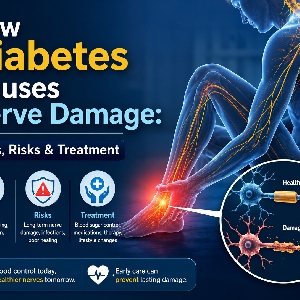
What it checks: Your blood glucose levels and 3-month average sugar control.
Why it matters: India has the second-highest number of diabetic patients in the world. Northeast India, with its rice-heavy diet and rising obesity rates, is particularly vulnerable. FBS detects high sugar on the day of the test; HbA1c reveals your average over 90 days — far more reliable.
Who needs it: Everyone above 30. Especially if you have a family history of diabetes, are overweight, or live a sedentary lifestyle.
3. Lipid Profile (Cholesterol Test)
What it checks: Total cholesterol, LDL (bad), HDL (good), and triglycerides.
Why it matters: High LDL cholesterol quietly clogs arteries for years before causing a heart attack or stroke. You can have dangerously high cholesterol with zero symptoms. This test is your early warning system.
Who needs it: All adults above 20. Especially those with a family history of heart disease, smokers, or those with high-stress lifestyles.
4. Thyroid Function Test (TFT / TSH)
What it checks: Thyroid-stimulating hormone (TSH), T3, and T4 levels.
Why it matters: Thyroid disorders are extremely common in India — especially in women. An underactive thyroid (hypothyroidism) causes fatigue, weight gain, and depression; an overactive one (hyperthyroidism) causes anxiety and rapid heartbeat. Both are easily managed once diagnosed.
Who needs it: Women especially (10x more likely to develop thyroid issues), anyone experiencing unexplained weight changes, fatigue, or mood swings.
5. Liver Function Test (LFT)
What it checks: Enzymes and proteins that indicate how well your liver is working.
Why it matters: The liver is your body's detox organ. Alcohol consumption, fatty foods, certain medications, and infections like Hepatitis B & C can silently damage it. LFT catches inflammation or damage early.
Who needs it: Adults above 30, regular alcohol consumers, anyone on long-term medication.
6. Kidney Function Test (KFT) / Renal Profile
What it checks: Creatinine, urea, and uric acid levels.
Why it matters: Kidney disease progresses silently. By the time most people notice symptoms, significant damage may already have occurred. This test is especially important for diabetics and hypertension patients, as both conditions are leading causes of kidney failure.
Who needs it: Diabetics, hypertension patients, those above 40, and anyone with a family history of kidney disease.
7. Vitamin D & Vitamin B12
What it checks: Levels of two critical vitamins.
Why it matters: Vitamin D deficiency is near-epidemic in India despite abundant sunshine — because most people spend time indoors. Low Vitamin D causes bone weakness, low immunity, and depression. Vitamin B12 deficiency is common among vegetarians and causes nerve damage, memory issues, and fatigue if ignored.
Who needs it: Almost everyone in India. Vegetarians are particularly at risk for B12 deficiency.
8. Iron Studies (Serum Ferritin & TIBC)
What it checks: Your body's iron storage and capacity to carry iron.
Why it matters: Iron-deficiency anaemia is one of the most common nutritional deficiencies in India, particularly among women of reproductive age, pregnant women, and young children. Fatigue, breathlessness, and pale skin are classic signs — but often ignored.
Who needs it: Women especially, children, vegetarians, and anyone who feels persistently tired.
9. Uric Acid
What it checks: The level of uric acid in the blood.
Why it matters: High uric acid causes gout — intense, painful joint inflammation, often in the big toe or knee. It's closely linked to a diet high in red meat, seafood, and alcohol. It also increases the risk of kidney stones.
Who needs it: Men above 30, anyone with joint pain, those with a high-protein diet.
10. Complete Urine Analysis (CUE)
What it checks: Kidney health, urinary infections, and early signs of diabetes through a urine sample.
Why it matters: While not technically a blood test, it's always included in a full annual health checkup. It can pick up protein or sugar in urine — both early red flags for kidney and metabolic issues.
How Often Should You Get These Tests?
- Once a year for healthy adults with no existing conditions
- Every 6 months if you have diabetes, hypertension, or thyroid issues
- As advised by your doctor if results are borderline or you're on medication
Quick Reference: Annual Blood Test Checklist
| Test | Who Needs It Most |
|---|---|
| CBC | Everyone |
| Fasting Blood Sugar + HbA1c | Everyone above 30 |
| Lipid Profile | All adults above 20 |
| Thyroid Function (TSH) | Women, anyone with fatigue |
| Liver Function Test | Adults above 30 |
| Kidney Function Test | Diabetics, hypertension patients |
| Vitamin D & B12 | Almost everyone in India |
| Iron Studies | Women, vegetarians |
| Uric Acid | Men above 30, joint pain sufferers |
How Often Should You Get Tested?
- Once a year for healthy adults with no existing conditions
- Every 6 months if you have diabetes, hypertension, or thyroid issues
- As advised by your doctor if results are borderline or you're on medication
Book Your Lab Tests with Quickobook
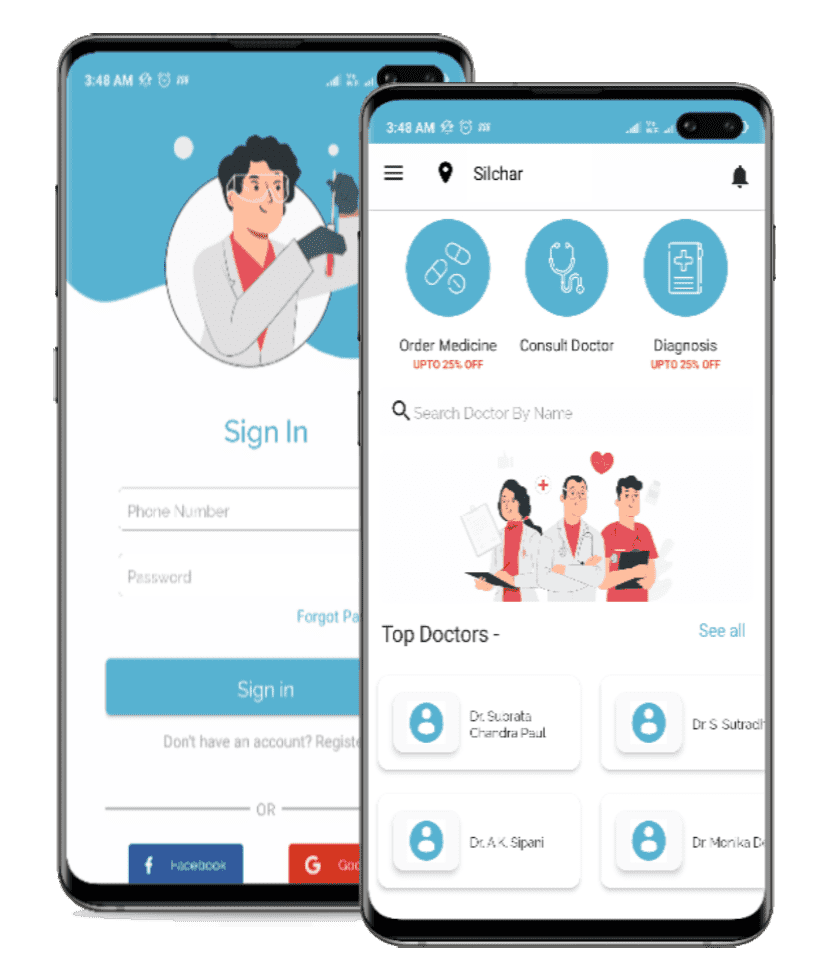
Getting all these tests done doesn't have to be complicated or expensive. With Quickobook, you can book all your lab tests online in minutes, get up to 25% off on packages, and access results digitally — no queues, no hassle. Need medications after your checkup? You can also order medicines online with up to 25% off.
Don't wait for symptoms. Prevention is always cheaper — and smarter — than cure.
Book Your Annual Health Checkup on Quickobook
Disclaimer: This article is for informational purposes only and does not substitute professional medical advice. Please consult a qualified doctor for personalised health guidance.



Comments (0)
No comments yet. Be the first to share your thoughts!
Leave a Comment