
Introduction
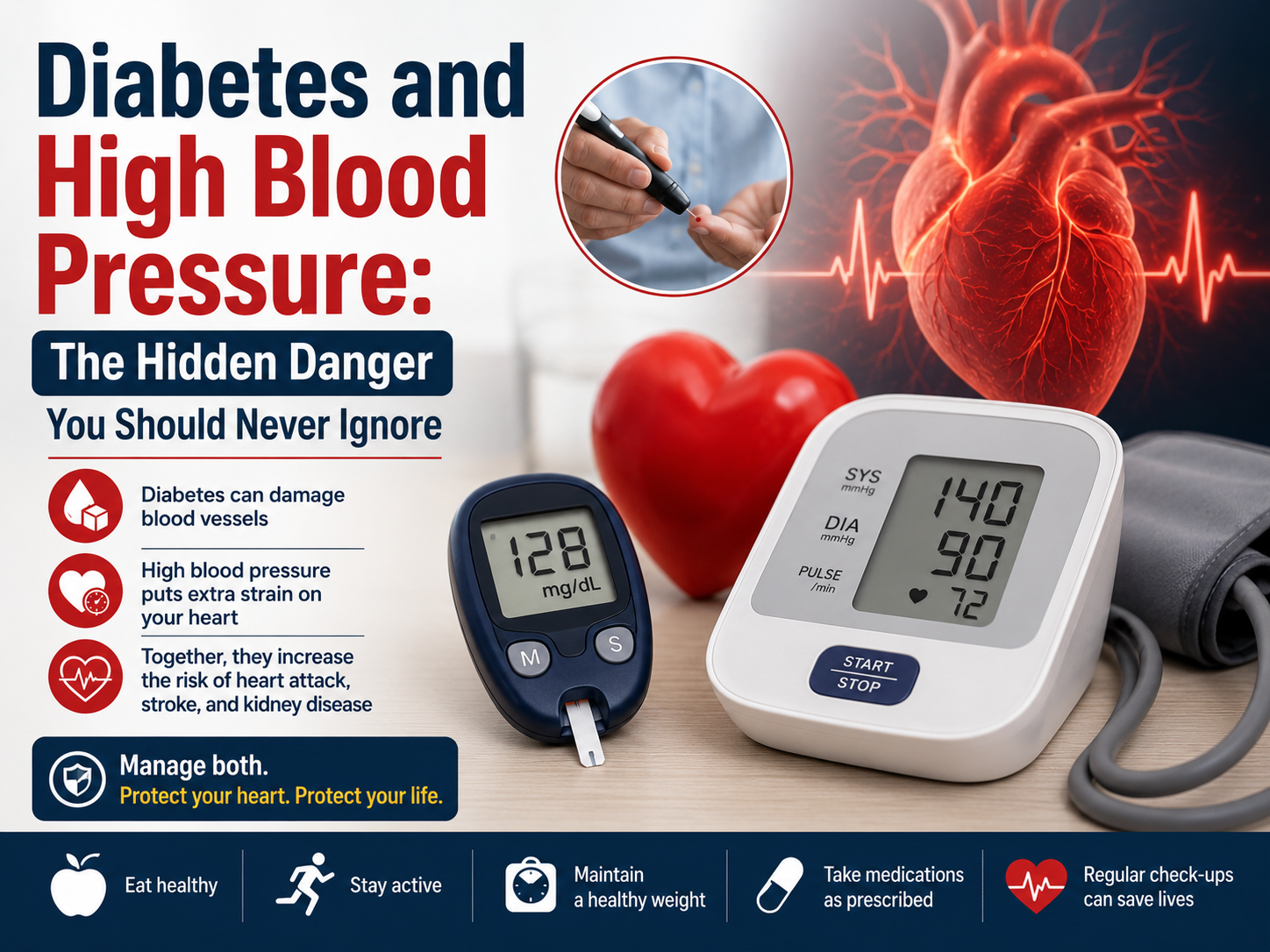
Diabetes and high blood pressure are two of the most common health conditions in India. Many people have both conditions at the same time without realizing how dangerous the combination can be. Diabetes affects blood sugar levels, while high blood pressure, also called hypertension, puts extra force on blood vessels. Together, they can damage the heart, kidneys, eyes, and brain.
People with diabetes are more likely to develop high blood pressure. Similarly, uncontrolled high blood pressure can worsen diabetes complications. This dangerous connection increases the risk of heart attack, stroke, kidney failure, and vision problems.
Understanding the link between diabetes and high blood pressure can help you take early action. With the right lifestyle changes, medicines, regular checkups, and healthy habits, both conditions can be controlled effectively.
What is Diabetes?
Diabetes is a condition where the body cannot properly control blood sugar levels. Blood sugar, also called glucose, is the body’s main source of energy.
There are three main types:
Type 1 Diabetes
The body does not produce insulin. Insulin is a hormone that helps sugar enter cells.
Type 2 Diabetes
The body does not use insulin properly. This is the most common type in India.
Gestational Diabetes
This occurs during pregnancy and usually improves after delivery.
Common symptoms include:
- Frequent urination
- Increased thirst
- Fatigue
- Blurred vision
- Slow wound healing
- Sudden weight loss
What is High Blood Pressure?
High blood pressure or hypertension happens when blood pushes too strongly against artery walls.
A normal blood pressure is usually around:
- 120/80 mmHg
High blood pressure is generally:
- 140/90 mmHg or higher
People with diabetes are often advised to maintain lower blood pressure targets.
Hypertension is called a “silent killer” because many people have no symptoms.
Possible symptoms include:
- Headache
- Dizziness
- Chest pain
- Shortness of breath
- Nosebleeds
How Diabetes and High Blood Pressure are Connected
Diabetes and high blood pressure often occur together because they share similar causes and risk factors.
These include:
- Obesity
- Lack of exercise
- Unhealthy diet
- Smoking
- Stress
- Family history
- Insulin resistance
When blood sugar remains high for a long time, it damages blood vessels. Damaged blood vessels become stiff and narrow, causing blood pressure to rise.
At the same time, high blood pressure damages blood vessels further, making diabetes complications worse.
This creates a harmful cycle.
Why is this Combination Dangerous?
Having both diabetes and high blood pressure increases the risk of serious health problems.
1. Heart Disease
The heart works harder when blood pressure is high. Diabetes also damages blood vessels.
Together, they greatly increase the risk of:
- Heart attack
- Heart failure
- Blocked arteries
People with both conditions are almost twice as likely to develop heart disease.
2. Stroke
High blood pressure can damage blood vessels in the brain. Diabetes increases blood clot risk.
This combination can lead to stroke, which may cause:
- Paralysis
- Speech difficulty
- Memory problems
- Death
3. Kidney Damage
The kidneys filter waste from blood. High blood sugar and high blood pressure damage tiny kidney blood vessels.
This may lead to:
- Kidney disease
- Kidney failure
- Need for dialysis
4. Eye Problems
Diabetes damages eye blood vessels. High blood pressure worsens the damage.
Possible complications include:
- Blurred vision
- Diabetic retinopathy
- Vision loss
- Blindness
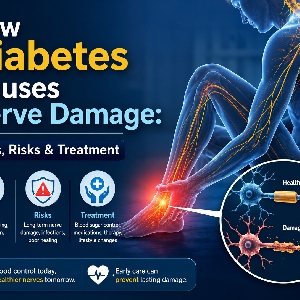
5. Nerve Damage
High sugar and poor blood circulation can damage nerves.
Symptoms may include:
- Tingling
- Numbness
- Burning pain
- Weakness in hands and feet
Risk Factors for Diabetes and High Blood Pressure
Certain factors increase the chances of developing both conditions.
Obesity
Extra body fat increases insulin resistance and raises blood pressure.
Poor Diet
High intake of:
- Salt
- Sugar
- Fried foods
- Processed foods
can worsen both conditions.
Physical Inactivity
Lack of exercise increases weight gain and poor blood circulation.
Smoking and Alcohol
Smoking damages blood vessels. Excess alcohol raises blood pressure.
Family History
Genetics can increase risk.
Age
Risk increases after age 40, though younger adults are also affected today.
Symptoms of Diabetes and High Blood Pressure Together
Many people may not notice symptoms early.
Common warning signs include:
- Extreme tiredness
- Frequent urination
- Increased thirst
- Headaches
- Blurred vision
- Swelling in feet
- Chest discomfort
- Shortness of breath
- Dizziness
If these symptoms occur regularly, medical evaluation is important.
Diagnosis and Tests
Doctors use different tests to diagnose diabetes and hypertension.
Tests for Diabetes
Fasting Blood Sugar
Checks blood sugar after fasting.
HbA1c Test
Measures average blood sugar over 3 months.
Oral Glucose Tolerance Test
Checks how the body processes sugar.
Tests for High Blood Pressure
Blood pressure is measured using a monitor.
Multiple readings may be needed for confirmation.
Additional Tests
Doctors may also recommend:
- Kidney function tests
- Cholesterol tests
- ECG
- Eye examination
- Urine tests
Treatment for Diabetes and High Blood Pressure
Treatment focuses on controlling both conditions together.
Medicines for Diabetes
Doctors may prescribe:
- Metformin
- Insulin
- GLP-1 medicines
- SGLT2 inhibitors
Medicine choice depends on age, health condition, and blood sugar levels.
Medicines for High Blood Pressure
Common medicines include:
- ACE inhibitors
- ARBs
- Beta blockers
- Calcium channel blockers
- Diuretics
Some blood pressure medicines also protect kidneys in diabetic patients.
Dosage should only be decided by a doctor.
Lifestyle Changes That Help
Lifestyle changes are extremely important.
Healthy Eating
Choose foods such as:
- Fruits
- Vegetables
- Whole grains
- Dal and pulses
- Nuts
- Lean protein
Avoid:
- Sugary drinks
- Packaged snacks
- Excess salt
- Fried foods
Exercise Regularly
Aim for at least:
- 30 minutes of walking
- Cycling
- Yoga
- Swimming
on most days.
Exercise helps control:
- Weight
- Blood sugar
- Blood pressure
Weight Management
Even small weight loss can improve health significantly.
Quit Smoking
Smoking greatly increases heart and blood vessel damage.
Reduce Stress
Stress can raise blood pressure and blood sugar.
Helpful activities include:
- Meditation
- Deep breathing
- Prayer
- Hobbies
- Good sleep
Best Diet for Diabetes and High Blood Pressure
A balanced Indian diet can help control both conditions.
Recommended Foods
- Brown rice
- Oats
- Millets
- Green vegetables
- Low-fat curd
- Fish
- Sprouts
- Fruits in moderation
Foods to Limit
- White bread
- Sweets
- Bakery products
- Soft drinks
- Pickles
- Chips
- Processed meat
Importance of Regular Monitoring
Regular checkups help prevent complications.
People with diabetes and hypertension should monitor:
- Blood sugar
- Blood pressure
- Weight
- Cholesterol
- Kidney function
Home BP machines and glucometers can help track health.
Prevention Tips
You can reduce the risk by following healthy habits.
Maintain Healthy Weight
Avoid obesity through proper diet and exercise.
Stay Active
Avoid sitting for long hours.
Eat Less Salt
Too much salt raises blood pressure.
Limit Sugar Intake
High sugar intake worsens diabetes.
Sleep Well
Poor sleep affects hormones and heart health.
Regular Health Checkups
Early detection can prevent complications.
When to See a Doctor
Seek medical help if you experience:
- Very high blood sugar
- Blood pressure above normal repeatedly
- Chest pain
- Severe headache
- Blurred vision
- Swelling in legs
- Breathing difficulty
- Sudden weakness
Regular doctor visits are important even if you feel fine.
Complications if Left Untreated
Ignoring diabetes and high blood pressure can cause:
- Heart attack
- Stroke
- Kidney failure
- Blindness
- Nerve damage
- Poor wound healing
- Foot ulcers
- Amputation
Early treatment can reduce these risks greatly.
Diabetes and High Blood Pressure in India
India has one of the highest numbers of diabetes patients in the world. Urban lifestyles, unhealthy eating habits, stress, and lack of exercise are major reasons.
Many Indians also consume high-salt diets, increasing hypertension risk.
Regular screening and awareness are essential.
Living Well with Diabetes and High Blood Pressure
Although these conditions are chronic, many people live healthy lives with proper care.
Key habits include:
- Taking medicines regularly
- Eating healthy
- Staying active
- Monitoring health
- Avoiding tobacco
- Managing stress
Small daily changes can make a big difference.
Conclusion
Diabetes and high blood pressure are closely connected and can seriously affect overall health if not controlled. Together, they increase the risk of heart disease, stroke, kidney damage, and vision problems.
The good news is that both conditions can often be managed successfully through healthy lifestyle changes, regular monitoring, and proper medical care.
Early diagnosis and treatment are the keys to preventing dangerous complications. If you notice symptoms or have risk factors, consult a healthcare professional as soon as possible.
Taking care of your blood sugar and blood pressure today can protect your future health.
50 Frequently Asked Questions (FAQs)
1. Can diabetes cause high blood pressure?
Yes. High blood sugar damages blood vessels, which can raise blood pressure.
2. Is high blood pressure common in diabetes?
Yes. Many people with diabetes also develop hypertension.
3. What blood pressure is dangerous for diabetics?
Repeated readings above 140/90 mmHg may be dangerous.
4. Can stress increase blood sugar?
Yes. Stress hormones can raise blood sugar levels.
5. Can diabetes damage the heart?
Yes. Diabetes increases the risk of heart disease.
6. Is walking good for diabetes and BP?
Yes. Walking helps control blood sugar and blood pressure.
7. Can weight loss reduce blood pressure?
Yes. Even small weight loss can improve BP.
8. Is rice bad for diabetes?
Large amounts of white rice may raise blood sugar quickly.
9. Can high BP damage kidneys?
Yes. It can weaken kidney blood vessels.
10. How often should diabetics check BP?
As advised by a doctor, often regularly at home.
11. Is hypertension curable?
It can usually be controlled but may not be fully cured.
12. Can diabetes affect eyesight?
Yes. It may damage eye blood vessels.
13. What foods lower BP?
Fruits, vegetables, oats, and low-salt foods help.
14. Can lack of sleep increase BP?
Yes. Poor sleep can affect heart health.
15. Is diabetes hereditary?
Family history can increase risk.
16. Can smoking worsen diabetes?
Yes. Smoking damages blood vessels further.
17. Are headaches a sign of high BP?
Sometimes, especially if BP is very high.
18. Can dehydration affect blood sugar?
Yes. It may increase blood sugar levels.
19. Should diabetics avoid sugar completely?
Moderation and medical guidance are important.
20. Is yoga useful for hypertension?
Yes. Yoga may reduce stress and BP.
21. Can high BP cause stroke?
Yes. It is a major risk factor.
22. What is normal fasting sugar?
Usually below 100 mg/dL in healthy adults.
23. Can exercise reduce diabetes risk?
Yes. Regular exercise improves insulin use.
24. Are packaged foods unhealthy?
Many processed foods contain excess salt and sugar.
25. Can diabetes cause fatigue?
Yes. High sugar levels can cause tiredness.
26. Is fruit safe for diabetics?
Yes, in controlled portions.
27. Can stress raise BP quickly?
Yes. Emotional stress can temporarily increase BP.
28. Are BP medicines lifelong?
Some people may need long-term treatment.
29. Is salt harmful in hypertension?
Too much salt raises blood pressure.
30. Can alcohol worsen BP?
Yes. Excess alcohol increases hypertension risk.
31. Is diabetes reversible?
Some people can improve Type 2 diabetes with lifestyle changes.
32. Can diabetes affect feet?
Yes. Nerve and circulation problems may occur.
33. Is home BP monitoring useful?
Yes. It helps track changes regularly.
34. What is HbA1c?
It measures average blood sugar over 3 months.
35. Can children get diabetes?
Yes. Both Type 1 and Type 2 can affect children.
36. Is obesity linked to hypertension?
Yes. Excess weight raises BP risk.
37. Can kidney disease increase BP?
Yes. Kidney problems can worsen hypertension.
38. Is chest pain serious in diabetics?
Yes. Immediate medical care may be needed.
39. Can meditation lower BP?
Yes. Relaxation may help reduce stress and BP.
40. Should diabetics avoid fried food?
Limiting fried food is healthier.
41. Can BP fluctuate daily?
Yes. Stress, activity, and diet affect readings.
42. Is early diagnosis important?
Yes. Early treatment prevents complications.
43. Can diabetes increase stroke risk?
Yes. Blood vessel damage increases risk.
44. Are sugary drinks harmful?
Yes. They quickly raise blood sugar.
45. Can diabetes affect memory?
Long-term uncontrolled diabetes may affect brain health.
46. Is regular exercise necessary?
Yes. It helps overall health greatly.
47. Can high BP affect the brain?
Yes. It increases stroke risk.
48. Should diabetics have eye exams?
Yes. Regular eye checks are important.
49. Can stress management help diabetes?
Yes. Lower stress may improve sugar control.
50. Is healthy eating enough to control both conditions?
Healthy eating helps greatly, but some people also need medicines.
Quickobook CTA
Looking for expert care for diabetes and high blood pressure? Book appointments with experienced doctors through Quickobook for regular checkups, blood sugar monitoring, hypertension management, and lifestyle guidance.
Find trusted healthcare professionals near you and take control of your health today.
Disclaimer
This article is for educational purposes only and does not replace professional medical advice, diagnosis, or treatment. Always consult a qualified doctor for personalized care and medication guidance.



Comments (0)
No comments yet. Be the first to share your thoughts!
Leave a Comment