
Introduction
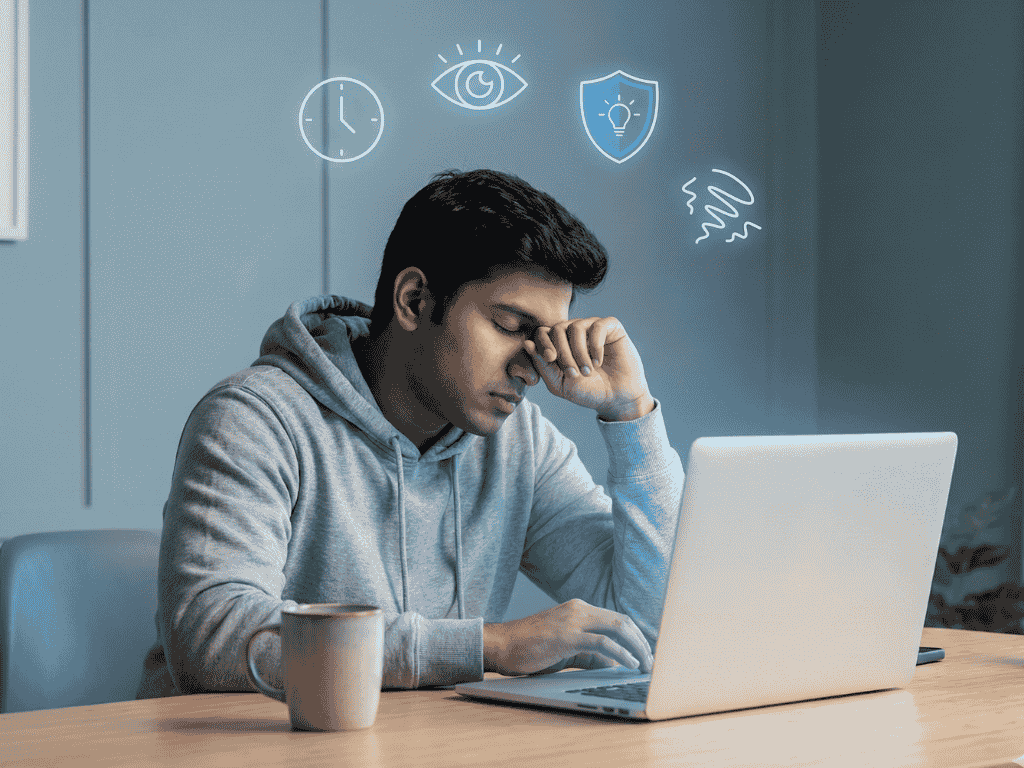
In today’s digital world, screens are everywhere—mobiles, laptops, TVs, tablets, and even smartwatches. For many young Indians, spending 8 to 14 hours a day in front of screens has become the new normal. While technology makes life easier, excessive screen use is quietly affecting our bodies and minds. One major problem that more people are facing today is screen-time burnout.
Screen-time burnout is a state of physical, emotional, and mental exhaustion caused by too much exposure to digital screens. It can trigger symptoms like constant eye strain, headaches, poor sleep, neck pain, irritability, difficulty focusing, and feeling mentally drained even after resting. Because the symptoms build up slowly, many people ignore them—until they begin affecting daily life and health.
Whether you are a student preparing for exams, a corporate employee working long hours, a gamer, or simply a social media lover, screen-time burnout can affect anyone. This blog explains the real causes behind screen-time burnout, warning signs you should not ignore, how it affects your body, and what you can do to prevent long-term damage.
Understanding Screen-Time Burnout
What screen-time burnout means
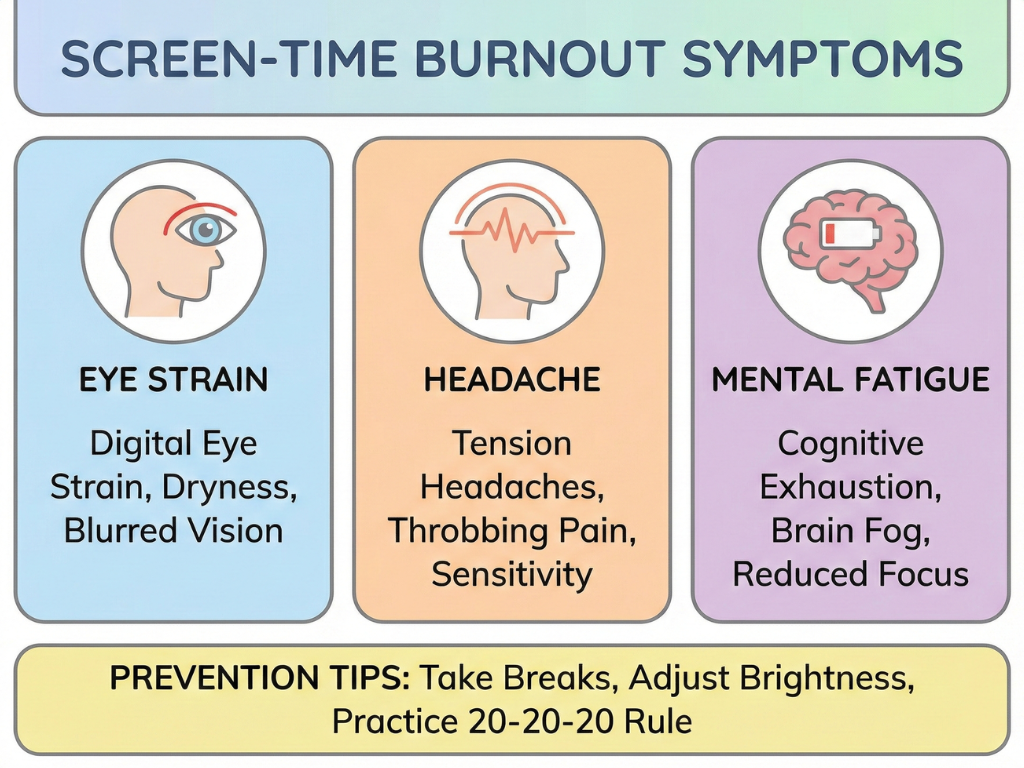
Screen-time burnout happens when your brain and body become overwhelmed from constantly looking at digital screens. It is not only about long hours—it is about continuous exposure without enough breaks. Your eyes, neck muscles, brain, mental health, and sleep cycle all get affected.
Why screen-time burnout is rising in India
-
Online schooling and online coaching
-
Long working hours in IT, BPO, and corporate jobs
-
Mobile addiction and constant notifications
-
Gaming and binge-watching habits
-
Remote work culture and hybrid offices
-
Social media scrolling late at night
Young adults and teenagers are especially at risk because screens have become part of their identity, friendships, entertainment, and learning.
Why Too Much Screen Time Is a Serious Problem
Overstimulation of the brain
Screens expose your brain to constant information—messages, visuals, videos, work tasks, online classes, notifications. The brain gets overloaded and struggles to rest.
Blue light exposure
Mobile, laptop, and TV screens emit blue light which:
-
Reduces natural melatonin (sleep hormone)
-
Confuses the body’s internal clock
-
Leads to poor sleep and insomnia
-
Causes eye strain and headaches
Physical strain
Long screen use without proper posture triggers:
-
Neck pain
-
Backache
-
Shoulder tension
-
Stiffness
-
Wrist pain
Emotional stress
Too much screen exposure increases:
-
Irritability
-
Mood swings
-
Anxiety
-
Low patience
-
Mental fatigue
When physical and emotional exhaustion mix, screen-time burnout becomes severe.
ALSO READ: Sexual Health: Safe Sex Practices To Prevent Hiv In India
Signs and Symptoms You Shouldn’t Ignore
Physical symptoms
-
Constant eye strain
-
Blurred vision
-
Dry or watery eyes
-
Frequent headaches
-
Pain in neck, back, or shoulders
-
Increased sensitivity to light
-
Twitching or tired eyes
Mental and emotional symptoms
-
Feeling mentally drained
-
Difficulty concentrating
-
Forgetfulness
-
Irritability or restlessness
-
Low motivation
-
Anxiety during screen use
Sleep-related symptoms
-
Trouble falling asleep
-
Waking up multiple times at night
-
Feeling tired even after sleeping
-
Staying awake scrolling late at night
Behavior-related symptoms
-
Inability to take breaks
-
Losing track of time while using screens
-
Feeling “empty” or low after long screen sessions
-
Neglecting physical activities
Ignoring these symptoms can lead to long-term issues like chronic headaches, vision problems, and mental burnout.
Major Causes of Screen-Time Burnout
Long working or study hours
Corporate employees often spend 9–12 hours a day on computers. Students also attend online classes, tuitions, and study on screens for long periods.
Lack of screen breaks
The eyes and brain need rest. But many people spend hours continuously on screens without blinking enough or stretching.
Poor posture
Most people sit with:
-
Bent neck
-
Hunched shoulders
-
Rounded back
-
Laptop too low or too far
This causes severe neck and spine strain.
High mobile dependence
Many people check their phones 100–150 times a day without realizing it. This overloads the brain.
Late-night screen use
Scrolling reels, watching shows, or gaming late at night disrupts sleep patterns.
Multitasking on screens
Switching between tabs, apps, notifications, and messages increases mental load.
Excessive social media exposure
Constant comparison, fear of missing out (FOMO), and emotional triggers increase burnout symptoms.
Connection Between Screen-Time Burnout and Eye Strain
Why screens strain the eyes
-
Reduced blinking
-
Bright screens in dark rooms
-
Small text
-
Continuous focus without rest
-
Blue light exposure
Common eye problems
-
Computer Vision Syndrome (CVS)
-
Dry Eye Syndrome
-
Blurry vision
-
Eye fatigue
-
Headaches and migraine-like symptoms
Warning signs your eyes need rest
-
Burning sensation
-
Feeling of sand or grit in eyes
-
Difficulty focusing on distant objects
-
Double vision
-
Red or itchy eyes
Eye strain is one of the earliest symptoms of screen-time burnout. Treating it early prevents long-term vision issues.
Health Risks of Long-Term Screen Time
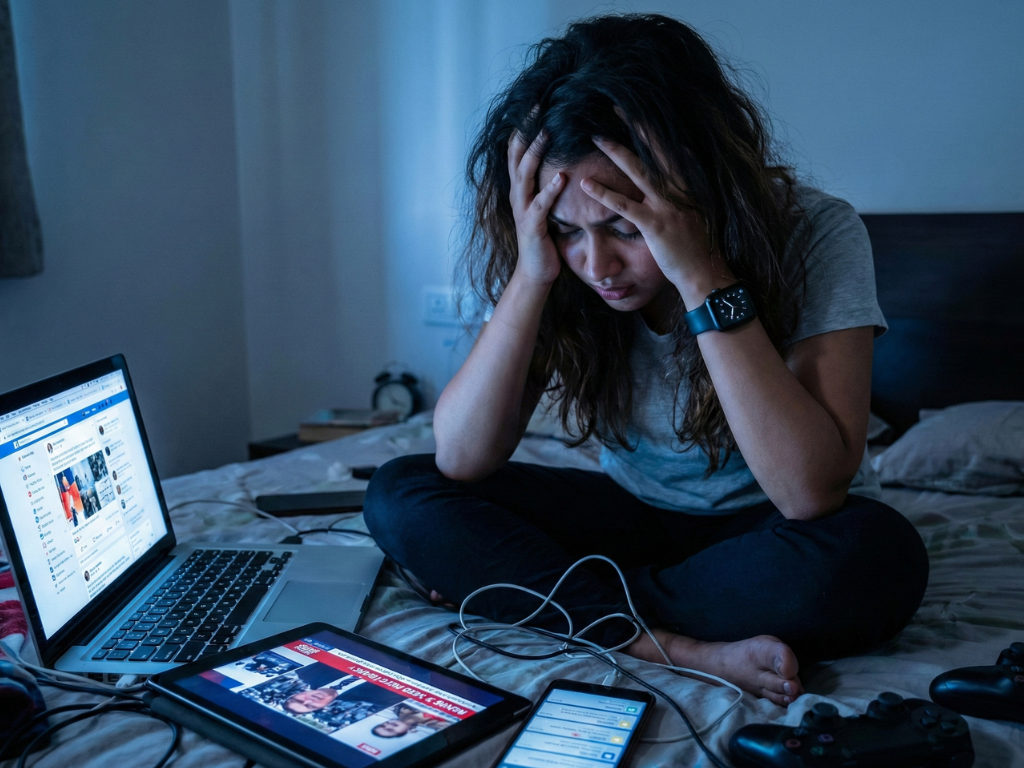
Physical risks
-
Chronic neck and back pain
-
Poor posture leading to spinal issues
-
Wrist or shoulder pain
-
Migraine headaches
Vision risks
-
Worsening eyesight
-
Dry eye disease
-
Increased risk of myopia (nearsightedness)
-
Light sensitivity
Mental health risks
-
Anxiety
-
Attention problems
-
Social withdrawal
-
Emotional exhaustion
-
Digital addiction
Sleep risks
-
Reduced sleep quality
-
Insomnia
-
Daytime sleepiness
-
Low productivity
Long-term exposure can also lower immunity and worsen hormonal imbalances.
Diagnosis and Testing
Doctors may recommend:
-
Eye examination
-
Vision tests
-
Dry eye screening
-
Posture and spine evaluation
-
Sleep pattern assessment
-
Mental health screening if needed
Most tests are simple, quick, and painless.
Treatment Options for Screen-Time Burnout
Eye-related treatment
-
Lubricating eye drops
-
Anti-glare glasses
-
Blue light filter
-
Regular eye exercises
-
Corrective eyewear if needed
Physical treatment
-
Physiotherapy
-
Posture correction
-
Neck/back strengthening
-
Warm compress
-
Ergonomic adjustments
Sleep treatment
-
Melatonin supplements (doctor-guided)
-
Improving sleep hygiene
-
Limiting screens before bed
Mental health support
-
Stress management
-
Counselling
-
Digital detox planning
-
Relaxation exercises
Medicines
Doctors may prescribe medication for headaches, migraines, or dryness, depending on symptoms.
Simple Home Remedies and Lifestyle Tips
Follow the 20-20-20 rule
Every 20 minutes, look at something 20 feet away for 20 seconds.
Blink more often
Blinking refreshes the eyes and reduces dryness.
Adjust screen settings
-
Reduce brightness
-
Increase text size
-
Use dark mode
-
Enable blue light filter
Correct posture
-
Keep screen at eye level
-
Sit upright
-
Support your lower back
-
Keep elbows at 90 degrees
Take micro-breaks
Short breaks every 30–45 minutes help your eyes and brain recover.
Improve sleep
-
Stop screens 1–2 hours before bed
-
Avoid scrolling while lying down
-
Keep your room dark and calm
Stay hydrated
Dryness increases burnout symptoms.
Step outdoors
Natural light relaxes the eyes and mind.
Prevention Strategies for Long-Term Digital Wellness
Set screen limits
Use screen-time control apps or alarms.
Practice digital detox
Switch off gadgets for a few hours or one day a week.
Use anti-glare screens
They reduce reflections and make viewing comfortable.
Keep distance from screens
Maintain at least an arm’s length from laptops.
Use proper lighting
Avoid using bright screens in dark rooms.
Reduce multitasking
Focus on one task at a time to reduce mental overload.
Engage in offline hobbies
Reading, exercise, cooking, walking, art, or spending time with family help balance screen exposure.
When to See a Doctor
Seek medical help if you experience:
-
Persistent headaches
-
Severe eye strain
-
Blurred or double vision
-
Neck pain that doesn’t improve
-
Sleep problems affecting routine
-
Extreme fatigue or burnout
-
Sadness or anxiety linked to screen use
Early treatment prevents long-term complications.
Risks of Ignoring Screen-Time Burnout
-
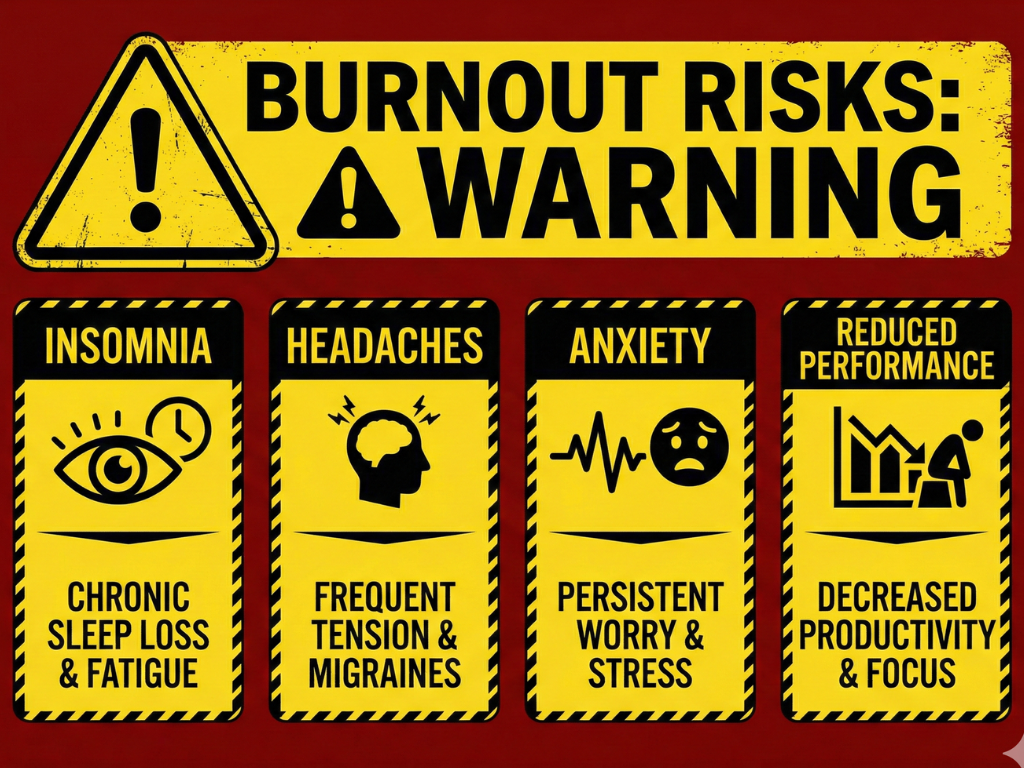
Chronic fatigue
-
Reduced productivity
-
Worsening eyesight
-
Early-onset migraines
-
Poor mental well-being
-
Sleep disorders
-
Digital addiction
-
Reduced academic or work performance
Burnout gets worse over time if ignored.
Conclusion
Screen-time burnout is becoming a major health issue for students, professionals, and young adults across India. In a world where screens dominate everything—work, studies, entertainment, and communication—it’s easy to forget that our body and mind need rest. Recognizing the early signs of burnout and eye strain is essential to prevent long-term complications.
By making small but meaningful changes like taking breaks, correcting posture, controlling screen brightness, limiting late-night usage, and maintaining digital wellness, anyone can reduce burnout and live a healthier, more balanced life.
Your health matters more than likes, deadlines, or notifications. Protect your eyes, your mind, and your well-being.
Quickobook CTA
Feeling eye strain, headaches, or burnout symptoms?
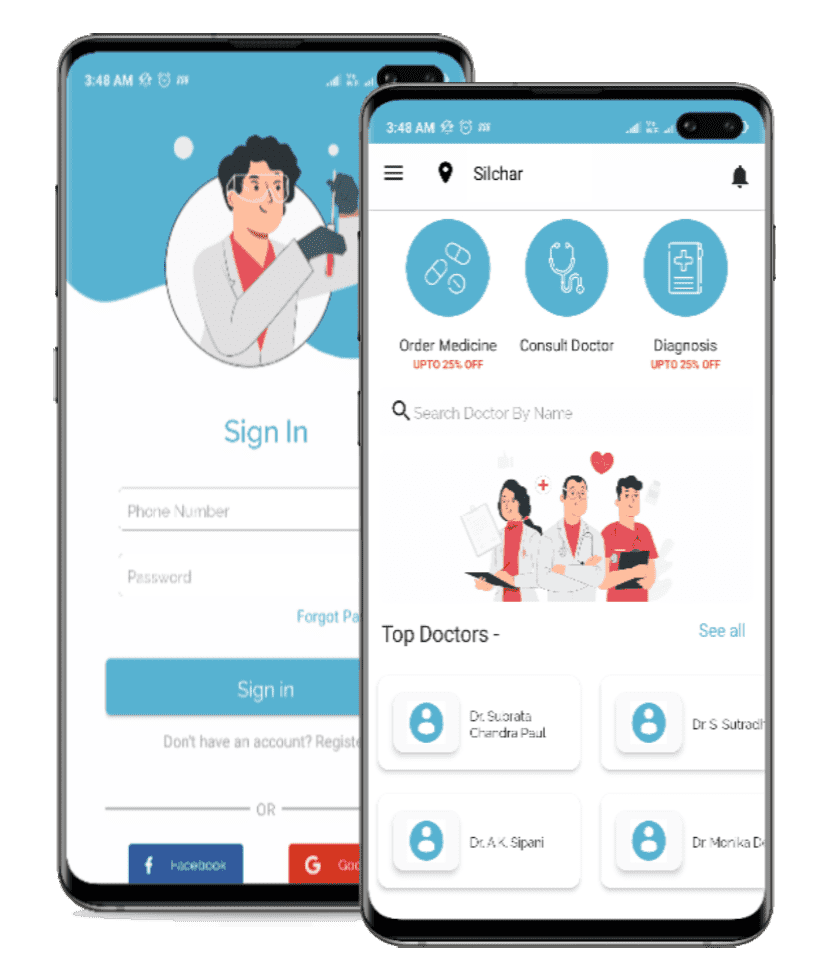
Book a fast, private, and reliable appointment with top ophthalmologists, neurologists, and general physicians on Quickobook.
Easy booking • Zero hassle • Trusted doctors across India.
FAQs
Q1. What is screen-time burnout?
A. It is a state of physical and mental exhaustion caused by too much screen use.
Q2. Can screen-time burnout affect students?
A. Yes, students often face burnout due to online classes and mobile use.
Q3. Is eye strain an early sign of burnout?
A. Yes, eye strain is one of the first symptoms.
Q4. How many hours of screen time is too much?
A. More than 6–8 hours without breaks can be harmful.
Q5. Does blue light cause sleep problems?
A. Yes, blue light reduces melatonin and affects sleep.
Q6. Can screen time cause headaches?
A. Yes, long exposure can trigger headaches or migraines.
Q7. Does screen use affect children?
A. Yes, it can cause irritability and eye strain in kids.
Q8. Can screen-time burnout be reversed?
A. Yes, with rest, breaks, and lifestyle changes.
Q9. Does dark mode reduce eye strain?
A. It helps but does not fully prevent strain.
Q10. Are anti-glare glasses helpful?
A. Yes, they reduce glare and make screen viewing easier.
Q11. Does screen-time affect memory?
A. Too much screen use may reduce focus and memory.
Q12. Can I use screens before bed?
A. It’s best to avoid screens 1–2 hours before sleep.
Q13. Does posture affect screen-time burnout?
A. Yes, poor posture increases neck and back pain.
Q14. Can screen-time cause dry eyes?
A. Yes, reduced blinking leads to dryness.
Q15. What is the 20-20-20 rule?
A. Look away every 20 minutes at something 20 feet away for 20 seconds.
Q16. Can blue light glasses help?
A. They may reduce strain but aren’t a complete solution.
Q17. Does scrolling at night harm your mind?
A. Yes, it overstimulates the brain and disrupts sleep.
Q18. Can screen-time burnout affect mood?
A. Yes, it can cause irritability and sadness.
Q19. Why do my eyes water while using screens?
A. Because of dryness and strain.
Q20. Can mobile brightness affect eye strain?
A. Yes, too bright or too dim screens strain the eyes.
Q21. Does blinking help reduce strain?
A. Yes, blinking keeps eyes moist.
Q22. Can screen-time cause neck pain?
A. Yes, especially if the neck is bent forward.
Q23. Is it okay to use screens in a dark room?
A. No, it increases strain and headaches.
Q24. How often should I take breaks?
A. Every 30–45 minutes.
Q25. Are children more sensitive to screen-time?
A. Yes, their eyes and brain are still developing.
Q26. Can screens cause long-term vision problems?
A. They can worsen existing problems.
Q27. Can screen burnout cause fatigue?
A. Yes, both mental and physical fatigue.
Q28. How can I reduce screen-time?
A. Set limits, take breaks, and use offline hobbies.
Q29. Can blue light affect hormones?
A. Yes, it disrupts sleep hormones.
Q30. Can screen use trigger anxiety?
A. Yes, overstimulation can increase anxiety.
Q31. Is gaming harmful for long hours?
A. Long sessions can lead to burnout and strain.
Q32. Can I prevent screen-time burnout?
A. Yes, with proper habits and posture.
Q33. How do I know if burnout is severe?
A. When symptoms affect daily tasks or sleep.
Q34. Can eye drops help?
A. Lubricating drops can reduce dryness.
Q35. Does screen-time affect productivity?
A. Yes, burnout lowers focus.
Q36. Can I work long hours without burnout?
A. Yes, with proper breaks and ergonomics.
Q37. Does hydration help eye strain?
A. Yes, dehydration worsens symptoms.
Q38. Can glasses reduce screen strain?
A. Yes, with proper power and coatings.
Q39. Can screen-time worsen headaches?
A. Yes, especially if you already get headaches.
Q40. Is it normal to feel tired after screen use?
A. Some tiredness is normal, but burnout is excessive.
Q41. Can posture correct burnout?
A. It helps reduce physical strain.
Q42. Can I get dark circles from screen use?
A. Yes, due to poor sleep.
Q43. Does scrolling affect mental health?
A. Too much scrolling affects mood and focus.
Q44. Can digital detox help?
A. Yes, it refreshes the mind and eyes.
Q45. Can screens cause dizziness?
A. Sometimes, due to eye strain or bright images.
Q46. Should I use anti-glare filters?
A. Yes, they reduce eye stress.
Q47. Can kids use screens safely?
A. Only with limits and supervision.
Q48. Does reducing screen-time improve sleep?
A. Yes, significantly.
Q49. When should I see a doctor?
A. If symptoms persist or worsen.
Q50. Can Quickobook help me get medical support?
A. Yes, Quickobook lets you book expert doctors quickly and privately.







Comments (0)
No comments yet. Be the first to share your thoughts!
Leave a Comment