


 Mediland Hospital and Research Centre










2026
Diabetes And Sleep: How Poor Sleep Affects Blood Sugar Levels
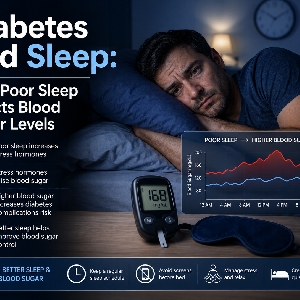
Introduction Diabetes and sleep are closely connected. Many people focus only on food, medicines, and exercise when managing diabetes. However, sleep also plays a major role in controlling blood sugar levels. Poor sleep can increase blood sugar, reduce insulin sensitivity, and raise the risk of complications. People with diabetes often struggle with sleep problems such as insomnia, sleep apnea, restless sleep, or waking up frequently at night. At the same time, poor sleep can make diabetes harder to manage. This creates a cycle where diabetes affects sleep, and poor sleep worsens diabetes. Understanding the link between diabetes and sleep can help you improve your overall health. Better sleep can improve energy, mood, metabolism, and blood sugar control. What Is Diabetes? Diabetes is a health condition where the body cannot properly control blood sugar levels. Blood sugar, also called glucose, is the body’s main source of energy. There are three common types: Type 1 Diabetes The body stops making insulin. Insulin is the hormone that helps sugar enter cells for energy. Type 2 Diabetes The body does not use insulin properly. This is called insulin resistance. Gestational Diabetes This develops during pregnancy and usually improves after delivery. Why Sleep Is Important for Blood Sugar Control Sleep helps the body repair and regulate important hormones. During deep sleep, the body balances insulin, stress hormones, and appetite hormones. When sleep is poor or too short: Blood sugar levels rise Insulin becomes less effective Hunger hormones increase Stress hormones rise Cravings for sugary foods increase Even one night of poor sleep can affect glucose levels the next day. How Poor Sleep Affects Diabetes Increased Insulin Resistance Insulin resistance means the body cannot use insulin properly. Lack of sleep reduces insulin sensitivity, making it harder for cells to absorb glucose. This leads to: High blood sugar Increased diabetes risk Weight gain People who sleep less than 6 hours regularly are more likely to develop Type 2 diabetes. Higher Stress Hormones Poor sleep increases cortisol, the stress hormone. High cortisol levels tell the liver to release more sugar into the blood. This can cause: Morning blood sugar spikes Increased hunger Fat storage Fatigue Increased Appetite and Cravings Sleep affects hormones called leptin and ghrelin. Leptin controls fullness Ghrelin controls hunger Poor sleep lowers leptin and increases ghrelin, making people crave sugary and unhealthy foods. This can lead to: Overeating Weight gain Poor diabetes control Reduced Energy for Exercise People who sleep poorly often feel tired during the day. This reduces motivation for physical activity. Exercise helps lower blood sugar naturally. Without enough activity, glucose levels may remain high. Common Sleep Problems in People With Diabetes Insomnia Insomnia means difficulty falling asleep or staying asleep. Causes in diabetes include: Stress Anxiety Frequent urination Nerve pain Blood sugar fluctuations Sleep Apnea Sleep apnea is a condition where breathing repeatedly stops during sleep. Symptoms include: Loud snoring Daytime sleepiness Morning headaches Dry mouth Sleep apnea is very common in people with Type 2 diabetes and obesity. Restless Leg Syndrome This condition causes an uncomfortable urge to move the legs, especially at night. It can disturb sleep and increase tiredness. Night Sweats and Low Blood Sugar Some people with diabetes experience low blood sugar during sleep. This may cause: Sweating Shaking Nightmares Sudden waking Signs That Poor Sleep Is Affecting Your Blood Sugar You may notice: High fasting blood sugar Daytime fatigue Mood swings Difficulty concentrating Increased hunger Frequent infections Weight gain If blood sugar remains high despite treatment, poor sleep may be a hidden reason. The Connection Between Sleep Apnea and Diabetes Sleep apnea is strongly linked to diabetes. When breathing stops during sleep: Oxygen levels drop Stress hormones rise Blood sugar increases Many people with sleep apnea also develop insulin resistance. Risk factors include: Obesity High blood pressure Smoking Family history Treating sleep apnea can improve diabetes control. How Much Sleep Do Adults Need? Most adults need: 7 to 9 hours of sleep each night Teenagers and children may need more. Sleeping too little or too much may both affect blood sugar levels. Best Sleeping Habits for People With Diabetes Maintain a Fixed Sleep Schedule Sleep and wake up at the same time every day. This helps regulate the body clock. Avoid Heavy Meals Before Bed Eating large meals late at night can raise blood sugar. Choose light dinners with: Protein Fiber Healthy fats Reduce Screen Time Blue light from phones and TVs affects melatonin, the sleep hormone. Avoid screens at least 1 hour before bedtime. Exercise Regularly Physical activity improves insulin sensitivity and sleep quality. Walking, yoga, and stretching are helpful. Limit Caffeine and Alcohol Avoid tea, coffee, and alcohol close to bedtime. These can disturb sleep. Keep the Bedroom Comfortable A quiet, dark, and cool room supports better sleep. Foods That May Improve Sleep in Diabetes Certain foods may support better sleep while helping blood sugar control. These include: Almonds Walnuts Oats Milk Bananas Chamomile tea Whole grains Avoid sugary snacks before bed. Can Poor Sleep Increase Diabetes Risk? Yes. Research shows that chronic sleep deprivation increases the risk of developing Type 2 diabetes. Poor sleep may lead to: Weight gain Hormonal imbalance Insulin resistance High blood pressure Shift workers and people with irregular sleep schedules often face a higher diabetes risk. Diabetes and Mental Health Stress, anxiety, and depression are common in diabetes. Mental health issues can: Disturb sleep Increase emotional eating Reduce motivation Affect medicine routines Managing stress is important for both sleep and blood sugar. Diagnosis of Sleep Problems in Diabetes Doctors may recommend: Blood sugar tests Sleep studies HbA1c tests Breathing tests Lifestyle assessment A sleep study helps diagnose sleep apnea and other sleep disorders. Treatment Options Better Blood Sugar Control Stable glucose levels improve sleep quality. Follow: Medication schedules Healthy eating Exercise plans CPAP Therapy for Sleep Apnea CPAP machines keep airways open during sleep. This improves oxygen flow and sleep quality. Cognitive Behavioral Therapy CBT helps treat insomnia and stress-related sleep issues. Medications Some people may require medicines for: Sleep disorders Anxiety Pain Always take medicines only as prescribed by a doctor. Lifestyle Changes for Better Sleep and Diabetes Control Stay Physically Active Exercise improves: Insulin sensitivity Weight management Sleep quality Maintain Healthy Weight Losing excess weight may reduce sleep apnea symptoms and improve diabetes management. Stay Hydrated Proper hydration helps regulate body functions and energy levels. Manage Stress Try: Meditation Deep breathing Yoga Relaxation exercises Complications of Poor Sleep in Diabetes Ignoring sleep problems can increase the risk of: Heart disease Stroke Kidney disease Obesity High blood pressure Depression Poor immunity When to See a Doctor Consult a healthcare provider if you have: Frequent insomnia Loud snoring Daytime fatigue Uncontrolled blood sugar Night sweats Mood changes Early treatment can improve long-term health. Tips for Better Night-Time Blood Sugar Control Check blood sugar before bed Avoid sugary late-night snacks Follow medication timing Eat balanced dinners Stay active during the day Sleep on time Prevention Tips You can reduce diabetes and sleep problems by: Maintaining a healthy weight Sleeping 7–9 hours daily Avoiding smoking Limiting alcohol Eating balanced meals Exercising regularly Conclusion Diabetes and sleep are deeply connected. Poor sleep can raise blood sugar levels, increase insulin resistance, and worsen overall health. At the same time, uncontrolled diabetes can disturb sleep quality. Managing both sleep and diabetes together is important for better health. Simple lifestyle changes like regular sleep schedules, healthy eating, exercise, and stress management can make a big difference. If you have ongoing sleep problems or uncontrolled blood sugar, speak with a doctor. Early treatment can improve sleep, energy, mood, and diabetes control. Frequently Asked Questions (FAQs) 1. Can poor sleep increase blood sugar? Yes. Poor sleep can increase insulin resistance and raise blood sugar levels. 2. How many hours should a diabetic sleep? Most adults with diabetes should aim for 7–9 hours of sleep. 3. Does diabetes cause insomnia? Yes. High blood sugar, nerve pain, and stress may cause insomnia. 4. What is the best bedtime snack for diabetics? Healthy options include nuts, yogurt, or whole-grain crackers. 5. Can sleep apnea cause diabetes? Sleep apnea increases insulin resistance and raises diabetes risk. 6. Why does blood sugar rise at night? Hormonal changes, late meals, or poor insulin control may cause this. 7. Is daytime sleepiness common in diabetes? Yes. Poor sleep quality and blood sugar fluctuations can cause fatigue. 8. Can stress affect diabetes and sleep? Yes. Stress increases cortisol, which raises blood sugar and disturbs sleep. 9. Does exercise improve sleep in diabetes? Yes. Regular exercise supports better sleep and glucose control. 10. Can low blood sugar wake you up at night? Yes. Symptoms include sweating, shaking, and nightmares. 11. Is melatonin safe for diabetics? Some diabetics may use melatonin, but doctor advice is important. 12. Does obesity affect sleep and diabetes? Yes. Obesity increases the risk of sleep apnea and Type 2 diabetes. 13. Can poor sleep lead to weight gain? Yes. Sleep loss increases hunger hormones and cravings. 14. What foods help improve sleep? Almonds, oats, milk, and bananas may support better sleep. 15. Can diabetes cause night sweats? Yes. Low blood sugar at night may cause sweating. 16. Is napping good for diabetics? Short naps may help, but long daytime naps can disturb night sleep. 17. How does cortisol affect blood sugar? High cortisol levels increase glucose release into the bloodstream. 18. Can poor sleep affect insulin? Yes. Sleep deprivation reduces insulin sensitivity. 19. Should diabetics avoid caffeine at night? Yes. Caffeine can disturb sleep and affect blood sugar. 20. Can improving sleep lower HbA1c? Better sleep may improve overall blood sugar control over time. 21. Is waking up often a sign of diabetes? Frequent urination from high blood sugar may disturb sleep. 22. What is the dawn phenomenon? It is an early morning rise in blood sugar caused by hormones. 23. Can anxiety worsen diabetes? Yes. Anxiety can affect sleep, eating habits, and glucose control. 24. Is yoga helpful for diabetic sleep problems? Yes. Yoga may reduce stress and improve sleep quality. 25. Can dehydration affect blood sugar? Yes. Dehydration may increase glucose concentration in the blood. 26. Is sleep important for insulin sensitivity? Yes. Deep sleep supports healthy insulin function. 27. Can diabetes medicines affect sleep? Some medicines may cause nighttime hypoglycemia or sleep issues. 28. Should I check blood sugar before sleeping? Yes. Bedtime monitoring may help prevent nighttime lows. 29. Can poor sleep affect appetite? Yes. Sleep loss increases hunger and cravings. 30. Is snoring linked to diabetes? Loud snoring may indicate sleep apnea, which is linked to diabetes. 31. Can shift work increase diabetes risk? Yes. Irregular sleep patterns affect hormones and glucose control. 32. Are sleep studies painful? No. Sleep studies are safe and painless. 33. Can children with diabetes have sleep problems? Yes. Blood sugar changes can affect children’s sleep too. 34. Does sugar intake before bed affect sleep? Yes. Sugary foods may raise blood sugar and disturb sleep. 35. Can meditation help diabetic sleep? Yes. Meditation reduces stress and supports relaxation. 36. What is insulin resistance? It means the body does not respond properly to insulin. 37. Can diabetes cause nightmares? Low blood sugar during sleep may trigger nightmares. 38. Is restless leg syndrome common in diabetes? Yes. Nerve damage can increase the risk. 39. Does dehydration cause fatigue? Yes. Low fluid levels reduce energy and concentration. 40. Can untreated sleep apnea be dangerous? Yes. It increases heart disease and diabetes complications. 41. Is it okay to sleep immediately after dinner? It is better to wait at least 2 hours after eating. 42. Can poor sleep increase cravings? Yes. Sleep deprivation increases unhealthy food cravings. 43. Are herbal teas good for sleep? Some teas like chamomile may promote relaxation. 44. Does diabetes affect mood? Yes. Blood sugar changes can affect emotions and mental health. 45. Can walking after dinner help blood sugar? Yes. Light walking may lower post-meal glucose levels. 46. Is sleep quality more important than sleep duration? Both are important for healthy metabolism. 47. Can blood sugar fluctuate during sleep? Yes. Hormonal changes affect nighttime glucose levels. 48. Should diabetics avoid alcohol before bed? Yes. Alcohol may affect blood sugar and sleep quality. 49. Can better sleep improve energy levels? Yes. Good sleep supports physical and mental health. 50. Can untreated diabetes affect sleep permanently? Long-term uncontrolled diabetes may cause chronic sleep disturbances. Quickobook CTA Looking for expert diabetes care and sleep management support? Book an appointment with experienced doctors through Quickobook for trusted healthcare guidance and personalized treatment plans. Find nearby healthcare experts and schedule consultations easily for better diabetes management and healthier sleep. Disclaimer This blog is for informational purposes only and does not replace professional medical advice, diagnosis, or treatment. Always consult a qualified healthcare provider regarding your symptoms or treatment options.
Read More




 Play Store