


 Dento Derma Multispeciality Dental Clinic








2026
Prediabetes Symptoms: Early Signs, Causes & Best Prevention Tips To Avoid Type 2 Diabetes
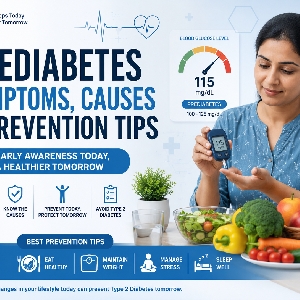
Introduction Prediabetes is a health condition where your blood sugar levels are higher than normal but not high enough to be called diabetes. Many people in India have prediabetes without knowing it because the symptoms can be mild or completely absent. If left untreated, prediabetes can develop into Type 2 diabetes, heart disease, and other health complications. The good news is that prediabetes can often be reversed with early care, healthy eating, regular exercise, and weight management. Understanding prediabetes symptoms, causes, and prevention tips can help you take action before serious health problems begin. What Is Prediabetes? Prediabetes happens when the body starts having trouble using insulin properly. Insulin is a hormone that helps sugar move from the blood into the body’s cells for energy. When the body becomes resistant to insulin, sugar builds up in the bloodstream. This condition is called insulin resistance and is one of the main reasons for prediabetes. Prediabetes is a warning sign that your body is struggling to control blood sugar levels. Prediabetes Symptoms Many people with prediabetes do not notice symptoms. However, some common signs may include: Frequent Thirst Feeling thirsty more often than usual can happen when blood sugar levels rise. Frequent Urination High blood sugar makes the kidneys work harder, causing more urination. Constant Hunger Your body may not use glucose properly, making you feel hungry even after eating. Fatigue or Tiredness Low energy is common because the body cannot use sugar effectively. Blurred Vision Changes in blood sugar levels can affect eyesight temporarily. Dark Skin Patches Dark, velvety patches around the neck, underarms, or groin may be a sign of insulin resistance. Slow Healing Cuts and wounds may take longer to heal. Weight Gain Around the Belly Excess abdominal fat increases diabetes risk and insulin resistance. Prediabetes Causes Several factors can increase the risk of developing prediabetes. Insulin Resistance This is the most common cause. The body’s cells stop responding properly to insulin. Unhealthy Diet Eating foods high in sugar, refined carbohydrates, fried foods, and processed snacks can increase blood sugar levels. Lack of Physical Activity Sitting for long hours and not exercising regularly can raise diabetes risk. Excess Body Weight Being overweight, especially around the abdomen, strongly increases the risk of prediabetes. Family History People with a family history of Type 2 diabetes are more likely to develop prediabetes. Stress Long-term stress can affect hormones and increase blood sugar levels. Poor Sleep Lack of sleep and sleep disorders may affect insulin function. Smoking and Alcohol Smoking and excessive alcohol intake can worsen insulin resistance. Who Is at Risk of Prediabetes? You may be at higher risk if you: Are above 35 years old Are overweight or obese Have a family history of diabetes Have high blood pressure Have high cholesterol Have PCOS (Polycystic Ovary Syndrome) Had gestational diabetes during pregnancy Do not exercise regularly Eat unhealthy foods often In India, prediabetes is becoming common even among younger adults due to lifestyle changes and sedentary habits. How Prediabetes Is Diagnosed Doctors use blood tests to diagnose prediabetes. Fasting Blood Sugar Test This test checks blood sugar after fasting for at least 8 hours. Normal: Below 100 mg/dL Prediabetes: 100–125 mg/dL Diabetes: 126 mg/dL or higher HbA1c Test This test measures average blood sugar levels over the past 2–3 months. Normal: Below 5.7% Prediabetes: 5.7%–6.4% Diabetes: 6.5% or higher Oral Glucose Tolerance Test Blood sugar is checked before and after drinking a sugary liquid. Complications of Prediabetes If prediabetes is not managed, it may lead to serious health issues. Type 2 Diabetes Most people with untreated prediabetes may develop diabetes within a few years. Heart Disease High blood sugar can damage blood vessels and increase heart disease risk. Stroke Prediabetes increases the risk of stroke due to poor blood circulation. Kidney Problems Long-term high blood sugar can affect kidney function. Nerve Damage High sugar levels may damage nerves, causing numbness or tingling. Prediabetes Prevention Tips Preventing prediabetes or stopping it from becoming diabetes is possible with healthy lifestyle changes. Maintain a Healthy Weight Losing even 5–10% of body weight can improve blood sugar control. Exercise Regularly Aim for at least 30 minutes of physical activity 5 days a week. Good options include: Walking Cycling Yoga Swimming Dancing Eat a Balanced Diet Focus on: Whole grains Fruits Vegetables Nuts Lean proteins Fiber-rich foods Limit: Sugary drinks White bread Fried foods Processed snacks Excess sweets Control Portion Sizes Eating smaller portions helps prevent sudden blood sugar spikes. Drink More Water Water helps maintain healthy metabolism and prevents dehydration. Get Proper Sleep Adults should aim for 7–8 hours of sleep daily. Manage Stress Meditation, deep breathing, and yoga may help reduce stress. Quit Smoking Smoking increases diabetes and heart disease risk. Limit Alcohol Intake Too much alcohol can affect blood sugar balance. Best Foods for Prediabetes Healthy eating plays a major role in diabetes prevention. Foods to Include Brown rice Oats Whole wheat roti Green vegetables Lentils and beans Fruits like apples and guava Low-fat dairy products Eggs and fish Foods to Avoid Soft drinks White rice in large amounts Cakes and pastries Chips and packaged snacks Fast food Sugary tea and coffee Can Prediabetes Be Reversed? Yes, many people can reverse prediabetes through healthy habits. Weight loss, exercise, healthy eating, and regular medical checkups can help blood sugar return to normal levels. Early action gives the best results. Treatment Options for Prediabetes Lifestyle Changes Doctors usually recommend lifestyle improvements first. Medicines Some people may need medicines like metformin if lifestyle changes alone are not enough. The dosage depends on the doctor’s advice and medical condition. Regular Monitoring Routine blood sugar tests help track progress. Prediabetes in Children and Young Adults Prediabetes is increasing among younger people due to: Fast food consumption Obesity Screen time Lack of physical activity Parents should encourage healthy eating and outdoor activities. When to See a Doctor Visit a doctor if you: Feel constantly tired Notice increased thirst or urination Have unexplained weight changes Have dark skin patches Have a family history of diabetes Are overweight Early diagnosis can help prevent complications. Lifestyle Changes That Help Blood Sugar Control Follow a Daily Routine Eating and sleeping at the same time daily supports healthy metabolism. Walk After Meals Walking for 10–15 minutes after meals may help control blood sugar. Reduce Sugary Drinks Replace sugary beverages with water, buttermilk, or unsweetened drinks. Read Food Labels Choose foods low in sugar and unhealthy fats. Avoid Long Sitting Hours Stand, stretch, or walk every hour. Prediabetes and Mental Health Living with health concerns can increase stress and anxiety. Some people feel worried after learning they have prediabetes. Talking to doctors, family members, or counselors may help reduce stress and improve motivation for lifestyle changes. Importance of Regular Health Checkups Regular screenings help detect blood sugar changes early. Adults with risk factors should check: Blood sugar Blood pressure Cholesterol Weight and BMI Annual health checkups can prevent serious complications. Conclusion Prediabetes is a warning sign that should not be ignored. While it may not always cause clear symptoms, it can lead to Type 2 diabetes and other serious health problems if left untreated. The good news is that prediabetes can often be prevented or reversed through healthy lifestyle changes such as balanced eating, regular exercise, weight management, stress control, and proper sleep. Early diagnosis and timely medical care can protect your long-term health. If you notice symptoms or have risk factors, consult a healthcare professional for proper evaluation and guidance. Frequently Asked Questions (FAQs) 1. What is prediabetes? Prediabetes is a condition where blood sugar levels are higher than normal but not high enough to be diabetes. 2. Can prediabetes turn into diabetes? Yes, untreated prediabetes can develop into Type 2 diabetes. 3. What are common prediabetes symptoms? Common symptoms include tiredness, frequent urination, increased thirst, and blurred vision. 4. Can prediabetes be reversed? Yes, lifestyle changes can often reverse prediabetes. 5. Is prediabetes serious? Yes, it increases the risk of diabetes, heart disease, and stroke. 6. What causes prediabetes? Insulin resistance, unhealthy diet, obesity, and lack of exercise are major causes. 7. How is prediabetes diagnosed? Doctors use blood tests such as HbA1c and fasting blood sugar tests. 8. Is medication necessary for prediabetes? Not always. Many people improve through lifestyle changes alone. 9. What foods should I avoid with prediabetes? Avoid sugary drinks, fried foods, processed snacks, and excess sweets. 10. Can exercise help prediabetes? Yes, regular exercise improves insulin sensitivity and blood sugar control. 11. How much exercise is recommended? At least 150 minutes of moderate exercise weekly is recommended. 12. Does stress affect blood sugar? Yes, stress hormones can increase blood sugar levels. 13. Can slim people get prediabetes? Yes, even people with normal weight can develop prediabetes. 14. Is walking good for prediabetes? Yes, walking regularly helps lower blood sugar levels. 15. Can children get prediabetes? Yes, especially if they are overweight or inactive. 16. What is insulin resistance? It is a condition where body cells do not respond properly to insulin. 17. Does family history matter? Yes, family history increases diabetes risk. 18. Can lack of sleep cause prediabetes? Poor sleep may affect insulin function and blood sugar levels. 19. Is rice bad for prediabetes? Large amounts of white rice may raise blood sugar quickly. 20. Which fruits are good for prediabetes? Apples, pears, guava, and berries are generally healthier choices. 21. Is fasting helpful for prediabetes? Some people benefit from controlled fasting, but medical guidance is important. 22. Can prediabetes cause headaches? Sometimes fluctuating blood sugar levels may trigger headaches. 23. Does sugar directly cause diabetes? Excess sugar intake may contribute to obesity and insulin resistance. 24. How often should blood sugar be tested? Your doctor may recommend testing every few months. 25. Can smoking increase diabetes risk? Yes, smoking worsens insulin resistance. 26. Is alcohol harmful in prediabetes? Too much alcohol may affect blood sugar control. 27. Can yoga help with prediabetes? Yes, yoga may improve stress levels and physical fitness. 28. Is obesity linked to prediabetes? Yes, excess body fat strongly increases risk. 29. What is the best diet for prediabetes? A balanced diet rich in fiber, vegetables, and whole grains is best. 30. Can dehydration affect blood sugar? Yes, dehydration may increase blood sugar concentration. 31. Is prediabetes permanent? Not always. Many people return to normal blood sugar levels. 32. Can dark skin patches indicate prediabetes? Yes, they may be a sign of insulin resistance. 33. Are health checkups important? Yes, early detection helps prevent complications. 34. Can stress eating worsen prediabetes? Yes, unhealthy eating habits may increase blood sugar levels. 35. Is fruit juice safe for prediabetes? Fresh whole fruits are usually better than fruit juices. 36. Can high cholesterol occur with prediabetes? Yes, both conditions often occur together. 37. Are herbal remedies enough to treat prediabetes? Lifestyle changes and medical advice are more reliable. 38. Is prediabetes common in India? Yes, India has a growing number of prediabetes cases. 39. Can skipping meals help? Skipping meals may cause unhealthy blood sugar fluctuations. 40. What drinks are healthier for prediabetes? Water, coconut water, and unsweetened beverages are healthier options. 41. Can mental stress increase diabetes risk? Yes, chronic stress may affect blood sugar control. 42. Is gym exercise necessary? No, even brisk walking and home workouts help. 43. Can pregnancy increase diabetes risk later? Yes, gestational diabetes increases future diabetes risk. 44. Should overweight people get tested regularly? Yes, regular screening is recommended. 45. Is fast food harmful for blood sugar? Yes, fast food often contains unhealthy fats and refined carbohydrates. 46. Can prediabetes affect the heart? Yes, it raises the risk of heart disease. 47. Is homemade food better for prediabetes? Usually yes, because it is easier to control ingredients and portions. 48. Can hydration improve metabolism? Yes, proper hydration supports body functions and metabolism. 49. Can regular walking prevent diabetes? Yes, regular physical activity lowers diabetes risk. 50. Should I consult a doctor for prediabetes? Yes, medical guidance is important for proper diagnosis and management. Book a Health Checkup with Quickobook Looking for a doctor for blood sugar testing or diabetes prevention guidance? Quickobook helps you connect with trusted healthcare professionals near you. Book appointments, compare doctors, and manage your healthcare easily. Disclaimer This blog is for informational purposes only and does not replace professional medical advice, diagnosis, or treatment. Always consult a qualified healthcare provider regarding any medical condition or treatment decisions.
Read More


 Play Store